
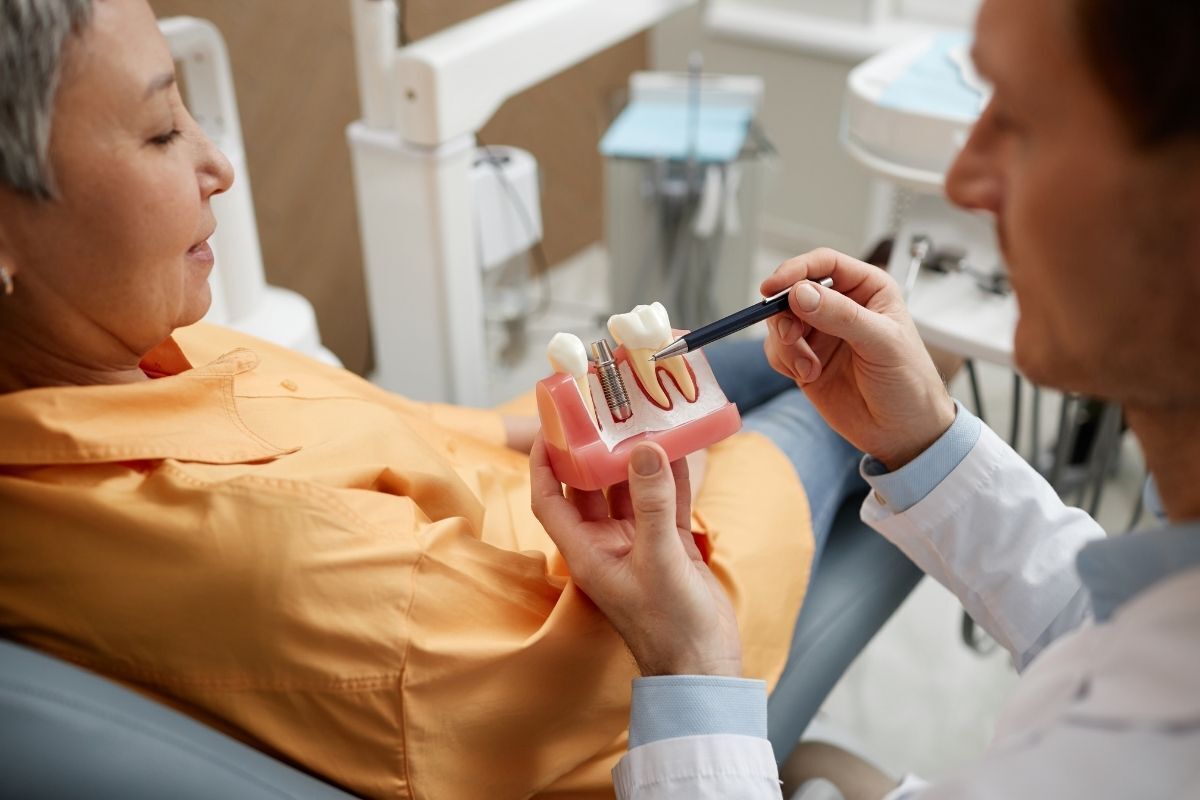
Dental implant surgery is an important step toward restoring a strong, healthy, and functional bite. After the procedure, however, it is common to notice swelling around the gums, jaw, cheeks, or nearby facial tissues. While the change in appearance may feel uncomfortable, mild swelling is often a normal part of the body’s healing response.
The good news is that thoughtful aftercare can make recovery more comfortable. From using a cold compress correctly to choosing foods that support healing, small daily habits can help manage inflammation and protect the surgical area. Knowing what is normal—and when to contact your dentist—can also make the recovery process feel more predictable.
For a smoother dental implant recovery, follow your dentist’s instructions closely and give your body the time and support it needs to heal.
Why Does Swelling Happen After Implant Surgery?
Dental implant placement involves carefully preparing the jawbone and surrounding gum tissue. Your body responds to this treatment by increasing blood flow and sending healing cells to the area. This natural response may cause temporary swelling, tenderness, or mild bruising.
Swelling may become more noticeable during the early stage of healing before gradually improving. The amount can vary depending on the complexity of the procedure, the treatment area, and your individual healing response.
Although mild swelling is generally expected, worsening discomfort or swelling that does not improve should be evaluated by your dental team.
Use a Cold Compress During the Early Recovery Period
A cold compress can help reduce swelling and provide relief from soreness. Wrap an ice pack or a bag of frozen vegetables in a clean, soft towel before placing it against the outside of your cheek.
Avoid placing ice directly on the skin, as prolonged direct contact may cause irritation or tissue damage. Use the cold compress in short intervals, allowing your skin to rest between applications.
If you received specific instructions from your dental provider, follow those recommendations because your treatment needs may be different.
Keep Your Head Elevated While Resting
Lying completely flat may allow fluid to collect around the surgical area and make swelling feel more noticeable. Keeping your head slightly elevated while resting can support comfort and help limit fluid buildup.
You may find it helpful to use extra pillows when sleeping during the first part of recovery. Choose a position that keeps pressure away from the treated side of your mouth.
Take Medications Exactly as Directed
Your dentist may recommend or prescribe medication to help manage discomfort and inflammation. Take all medications according to the instructions provided.
Do not increase the dose or combine medications without checking with your dental provider or pharmacist. If you experience an unexpected reaction, contact your healthcare professional promptly.
If antibiotics are prescribed, take them exactly as directed and complete the course unless your provider tells you otherwise.
Choose Foods That Support Healing
Your diet can affect how comfortable you feel after implant surgery. Soft, nutrient-rich foods are often easier to eat and less likely to disturb the surgical area.
Helpful post-implant nutrition tips include choosing foods such as:
- Plain yogurt
- Scrambled eggs
- Mashed potatoes
- Oatmeal
- Smooth soups that are not too hot
- Applesauce
- Soft-cooked vegetables
- Protein-rich smoothies eaten with a spoon
Avoid hard, crunchy, sticky, or very spicy foods until your dentist says it is safe to return to your regular diet. Foods that require heavy chewing may place unnecessary pressure on the treatment area.
Good dental implant recovery nutrition should include enough protein, vitamins, minerals, and fluids to support normal tissue repair. If you have dietary restrictions or a medical condition that affects your diet, ask your healthcare provider for personalized guidance.
Stay Hydrated Without Disturbing the Surgical Area
Drinking enough water supports overall health and helps prevent dry mouth. Sip water regularly throughout the day, especially if you are taking medications that cause dryness.
Avoid using straws unless your dental team confirms they are safe. The suction created while drinking may interfere with the healing area in some situations.
Alcohol and tobacco products can also interfere with healing. Avoid them according to your dentist’s instructions.
Keep Your Mouth Clean Gently
Good oral hygiene is essential after implant surgery, but the surgical area should be treated carefully. Follow the cleaning instructions provided by your dental team.
You may be advised to use a gentle rinse or clean around the area with a soft toothbrush. Avoid vigorous swishing, aggressive brushing, or touching the implant site with your fingers.
Keeping the mouth clean can help reduce the risk of infection while protecting healing tissues.
Give Your Body Time to Recover
Your body needs energy to heal. Avoid strenuous exercise, heavy lifting, or activities that increase blood pressure during the period recommended by your dentist.
Rest does not mean staying inactive for days. Light movement may be appropriate, but listen to your body and avoid activities that increase throbbing, bleeding, or swelling.
These practical implant recovery tips can help you stay comfortable while allowing the surgical area to heal without unnecessary stress.
Know When to Contact Your Dentist
Some swelling and tenderness may be expected, but certain symptoms should not be ignored. Contact your dental office if you notice:
- Swelling that continues to increase instead of improving
- Severe or worsening pain
- Persistent bleeding
- Fever or chills
- Pus, unusual drainage, or a foul taste
- Difficulty breathing or swallowing
- A loose implant or unexpected movement near the treatment area
If you experience difficulty breathing or swallowing, seek emergency medical care immediately.
Local Support for Patients Near Hillandale
Life around Hillandale and Silver Spring can be busy, especially when work, family responsibilities, commuting, and everyday errands compete for your attention. Planning a few easy meals, preparing a comfortable resting area, and arranging help with demanding tasks before your procedure can make the recovery period less stressful.
If you are traveling through nearby communities such as Takoma Park, Wheaton, or the greater Silver Spring area, keep your follow-up appointment and dental office contact information readily available. Regular follow-up visits allow your dental team to monitor healing and address concerns before they become more serious.
Frequently Asked Questions
Is swelling normal after dental implant surgery?
Mild swelling is commonly part of the body’s natural healing response. It should gradually improve. Contact your dentist if it becomes severe, continues to worsen, or occurs with fever, drainage, or increasing pain.
What can help reduce swelling after implant surgery?
A cold compress, gentle rest, proper hydration, recommended medication, and keeping your head elevated may help. Always follow the aftercare instructions provided by your dental team.
What foods should I eat while healing?
Choose soft, nutritious foods that are easy to chew, such as yogurt, eggs, oatmeal, mashed vegetables, and soft soups. Avoid foods that are hard, crunchy, sticky, or difficult to chew until your dentist approves them.
Can I exercise after dental implant surgery?
Strenuous activity may increase discomfort or swelling during the early healing period. Follow your dentist’s guidance about when to resume exercise and normal activities.
When should I call my dentist about swelling?
Contact your dentist if swelling becomes worse, does not begin improving, or is accompanied by severe pain, fever, unusual drainage, persistent bleeding, or difficulty swallowing.
Support a Comfortable Recovery and Protect Your Investment
Swelling after implant surgery can be frustrating, but careful aftercare can help you feel more comfortable while your body heals. Follow your treatment instructions, choose nourishing foods, protect the surgical area, and contact your dental team whenever something does not feel right.
At Smile Loft Dental at Hillandale, our team is here to support you before, during, and after implant treatment. If you have questions about healing, swelling, or your follow-up care, contact our office today to schedule an appointment and receive personalized guidance for a healthy recovery.