
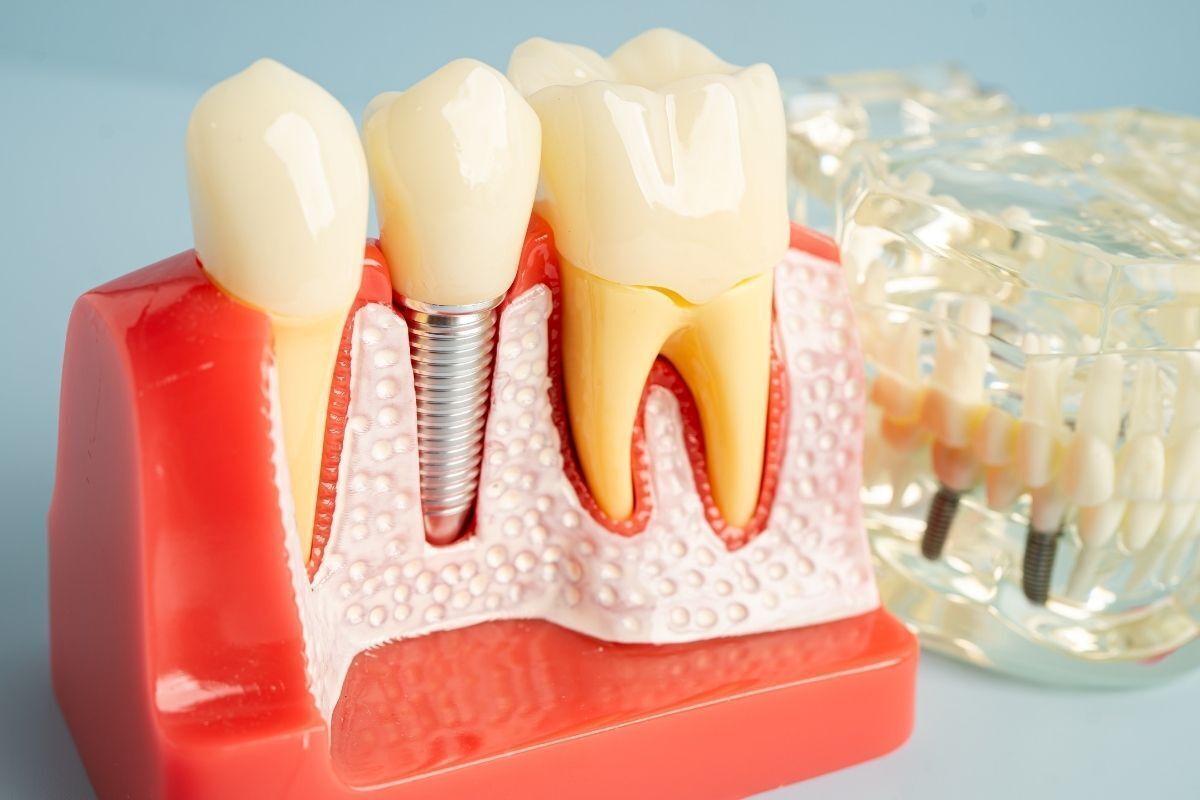
Your dental implant procedure is complete, and now your body begins the important work of healing. A little tenderness, swelling, or fatigue may be expected after surgery, but the right care can help you feel more comfortable and support a smoother recovery.
Healing is not something you have to navigate alone. From choosing soft, nourishing foods to protecting the treatment area and attending follow-up visits, your daily habits can make a meaningful difference. Whether you are resting at home, commuting through Silver Spring, or returning to your normal routine, following your dentist’s instructions can help keep your recovery on track.
If you are considering dental implants Silver Spring patients can rely on, understanding the recovery process is an important part of preparing for treatment. Every procedure is different, so your dental team’s personalized instructions should always take priority over general advice.
Why Implant Aftercare Matters
A dental implant is designed to function as a stable foundation for a replacement tooth. After placement, the surrounding bone gradually heals around the implant through a process called osseointegration. While the gums may begin to feel better relatively quickly, deeper healing takes longer and requires patience.
Good aftercare can help reduce unnecessary irritation, support healthy healing, and make your recovery more manageable. These practical implant recovery tips can help you care for yourself during the days and weeks after surgery.
Rest and Give Your Body Time to Recover
Your body uses energy to heal, so plan for a quieter schedule immediately after your procedure. Avoid strenuous exercise, heavy lifting, and activities that may increase blood flow or cause discomfort unless your dentist tells you otherwise.
For many Silver Spring residents, this may mean postponing a gym session, taking a break from a busy weekend schedule, or arranging a lighter workday. Resting does not mean staying inactive for an extended period—it simply means allowing your body the time it needs during the early stage of recovery.
Use Cold Compresses as Directed
Swelling can occur after implant surgery and may be more noticeable during the first few days. A cold compress placed gently against the outside of the face may help reduce swelling and improve comfort.
Wrap the cold pack in a clean cloth rather than placing it directly on your skin. Use it according to the instructions provided by your dental team, and avoid applying excessive pressure to the surgical area.
Take Medications Exactly as Prescribed
Your dentist may recommend or prescribe medication to help manage discomfort or reduce the risk of infection. Follow the dosage and timing instructions carefully, and do not take more than recommended.
If you experience side effects, have questions about medication interactions, or find that your discomfort is becoming more severe rather than improving, contact your dental office. Do not stop or change prescribed medication without professional guidance.
Choose Soft, Nutrient-Rich Foods
Food plays an important role in recovery. During the early healing period, choose meals that are easy to eat and unlikely to disturb the treatment area. Depending on your procedure and your dentist’s instructions, options may include:
- Scrambled eggs
- Plain Greek yogurt
- Oatmeal
- Mashed potatoes
- Smooth soups that are not too hot
- Applesauce
- Soft-cooked vegetables
- Protein-rich smoothies eaten with a spoon
Good dental implant recovery nutrition provides your body with the protein, vitamins, and minerals needed to support tissue repair. Nutrient-rich foods such as lean proteins, dairy, fruits, vegetables, eggs, and beans can contribute important nutrients during healing.
Avoid hard, crunchy, sticky, or very chewy foods until your dentist confirms that it is safe to reintroduce them.
Stay Hydrated Without Using Straws
Drinking enough water supports your overall health and can help prevent dry mouth. Keep water nearby, especially if you are resting at home or taking medication that causes dryness.
Avoid using straws during the initial recovery period unless your dentist says otherwise. The suction created while drinking may place unnecessary pressure on the healing area. Sip gently from a cup instead.
Keep Your Mouth Clean—Gently
A clean mouth supports healthy healing, but the surgical site should be treated carefully. Continue brushing the rest of your teeth as instructed while avoiding direct pressure on the treatment area.
Your dentist may recommend a specific rinse or provide instructions for gentle saltwater rinsing after an appropriate amount of time. Do not vigorously rinse, spit, poke, or repeatedly touch the area with your tongue or fingers. Follow the aftercare plan provided for your procedure, since recommendations may vary.
Avoid Smoking and Tobacco Products
Tobacco use can interfere with healing and may increase the risk of implant complications. Smoking is recognized as a significant risk factor for implant failure and can slow the recovery process.
If you smoke or use tobacco, discuss your options with your dentist before treatment. Avoiding tobacco during recovery can support healthier healing and long-term implant success.
Follow Your Personalized Post-Implant Nutrition Plan
Not every implant procedure has the same recovery timeline. If you received a bone graft, multiple implants, or another related treatment, your dietary instructions may be different.
These post-implant nutrition tips can help you make comfortable choices:
- Eat foods at a moderate temperature.
- Chew away from the treatment area when instructed.
- Add protein to meals throughout the day.
- Choose soft foods that provide real nutritional value.
- Introduce firmer foods gradually and only with approval.
Your dentist can tell you when it is appropriate to return to your regular diet.
Attend Every Follow-Up Appointment
Follow-up visits allow your dental team to check the surgical area, monitor healing, and answer questions before small concerns become larger problems.
For patients traveling from nearby communities such as Takoma Park, Wheaton, Langley Park, or other parts of Montgomery County, scheduling follow-up care in advance can make recovery easier to manage. Keep your appointment even if the area feels comfortable, unless your dental office advises otherwise.
Know When to Contact Your Dentist
Mild discomfort and swelling may be part of the normal healing process, but certain symptoms should be evaluated promptly. Contact your dental office if you notice:
- Pain that becomes more intense or does not improve
- Persistent or heavy bleeding
- Increasing swelling after the expected recovery period
- Fever or signs of infection
- Pus, unusual drainage, or a persistent bad taste
- A loose-feeling implant or restoration
- Any symptom that concerns you
Do not wait for a scheduled appointment if you believe something is wrong. Early communication allows your dental team to assess the situation and recommend appropriate care.
Frequently Asked Questions
How long does dental implant recovery take?
Recovery varies based on the number of implants placed, the condition of your jawbone, and whether additional procedures were performed. The gums may heal within a relatively short period, while the implant may require several months to integrate with the bone.
What should I eat after implant surgery?
Choose soft, nutrient-rich foods such as eggs, yogurt, oatmeal, mashed vegetables, and soft soups. Follow your dentist’s instructions regarding when to return to firmer foods.
Is swelling normal after implant surgery?
Some swelling or bruising may occur after surgery. It should gradually improve. If swelling becomes severe, worsens unexpectedly, or occurs with fever or increasing pain, contact your dentist.
When can I exercise again?
Your dentist can provide guidance based on your procedure and overall health. Avoid strenuous activity during the initial recovery period and return to exercise gradually when cleared.
How can I protect my dental implant while it heals?
Follow your medication and oral-care instructions, eat recommended foods, avoid tobacco, attend follow-up visits, and avoid placing unnecessary pressure on the treatment area.
Support Your Recovery With Professional Guidance
Comfortable healing is built through consistent care, good nutrition, patience, and clear communication with your dental team. Small choices—resting when needed, eating nourishing foods, keeping the area clean, and attending follow-up visits—can support a healthier recovery.
If you have questions about implant treatment or need personalized guidance after surgery, Smile Loft Dental at Hillandale is ready to help. Schedule an appointment today ( +13019603549 ) and take the next step toward a comfortable recovery and long-term oral health.