
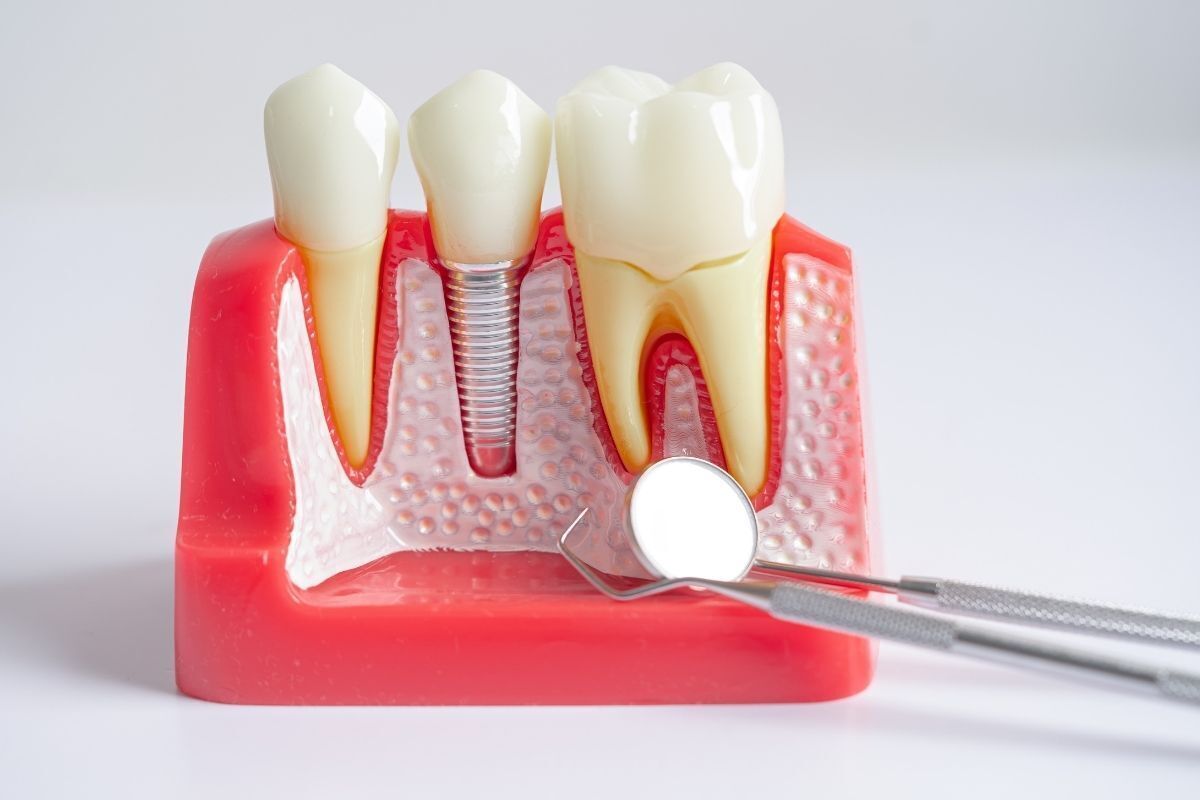
Have you ever heard someone say that a root canal is one of the most painful dental procedures? If so, you’re not alone. Stories passed around by friends, family, or the internet have made many people nervous about getting treatment. The truth, however, is very different. Thanks to modern dentistry, a root canal is designed to relieve pain—not create it.
If you’ve been putting off treatment because you’re worried about discomfort, understanding what really happens during the procedure can help ease those fears. Many patients are pleasantly surprised to discover that the experience feels much like getting a routine dental filling.
If you’re searching for root canal treatments silver spring, knowing what to expect before, during, and after the procedure can help you feel more confident about protecting your smile.
Why Would You Need a Root Canal?
A root canal becomes necessary when the soft tissue inside your tooth, known as the pulp, becomes infected or inflamed. This can happen because of:
- Deep tooth decay
- A cracked or chipped tooth
- Repeated dental procedures on the same tooth
- A dental injury
- Untreated cavities
Without treatment, the infection can spread, leading to severe pain, swelling, or even tooth loss.
What Does a Root Canal Actually Feel Like?
This is the question almost everyone asks.
The answer is simple: most patients feel very little discomfort during the procedure.
Before treatment begins, your dentist thoroughly numbs the area with a local anesthetic. Once the tooth is numb, you shouldn’t feel pain. Instead, you may notice:
- Gentle pressure
- Mild vibration from dental instruments
- The sensation of your mouth being held open
- Water rinsing during treatment
Many patients say the experience is similar to receiving a filling. In fact, the pain you feel before treatment is usually far worse than the procedure itself.
What Happens During the Procedure?
Understanding each step can make the experience feel much less intimidating.
Your Tooth Is Carefully Numbed
Your dentist ensures the area is completely comfortable before beginning. If needed, additional anesthetic is provided to keep you relaxed throughout treatment.
The Infected Tissue Is Removed
A small opening is made in the tooth so the damaged pulp can be gently removed. The inside of the tooth is then cleaned and disinfected.
The Tooth Is Sealed
After cleaning, the canals are filled with a special material that helps prevent future infection.
The Tooth Is Restored
In many cases, a dental crown is recommended to strengthen and protect the treated tooth, allowing it to function normally for years to come.
Will It Hurt After the Appointment?
It’s normal to experience some mild tenderness after the numbness wears off. This discomfort is usually manageable and temporary.
You may notice:
- Slight soreness while chewing
- Mild sensitivity around the treated tooth
- Minor tenderness in nearby tissues
Most people return to work, school, or normal daily activities shortly after their appointment.
Your dentist may recommend:
- Over-the-counter pain relievers
- Eating softer foods for a short time
- Avoiding chewing directly on the treated tooth until it’s fully restored
Common Myths About Root Canals
Myth: Root canals are extremely painful.
Fact: Modern techniques and effective anesthesia make the procedure comfortable for most patients.
Myth: It’s better to pull the tooth.
Fact: Saving your natural tooth is almost always the healthier long-term option whenever possible.
Myth: Recovery takes weeks.
Fact: Most patients feel significantly better within a few days.
Myth: The tooth is “dead” afterward.
Fact: While the nerve is removed, the tooth remains functional with proper restoration.
Myth: Root canals often fail.
Fact: With proper care and regular dental visits, treated teeth can last for many years.
Why Saving Your Natural Tooth Matters
Keeping your natural tooth offers several important benefits:
- Maintains proper chewing ability
- Preserves your natural bite
- Prevents neighboring teeth from shifting
- Supports jawbone health
- Restores comfort and confidence
Choosing treatment early can also help you avoid more complex and expensive procedures later.
Local Dental Care Matters in Silver Spring
Living in Silver Spring means having access to parks, restaurants, local events, and a vibrant community. Whether you’re commuting into nearby Washington, D.C., spending time around Downtown Silver Spring, or enjoying weekends with family, ongoing tooth pain can interfere with everyday life.
Prompt dental treatment allows you to return to your daily routine without constant discomfort. Working with an experienced restorative dentist silver spring also means receiving personalized care that’s focused on preserving your natural smile while making every visit as comfortable as possible.
Early treatment is especially important because delaying care often allows infection to worsen, making treatment more complicated than it needs to be.
How to Make Your Appointment Even More Comfortable
Preparing ahead of time can help you feel more relaxed.
- Get a good night’s sleep before your appointment.
- Eat a light meal unless instructed otherwise.
- Share any dental anxiety with your dentist.
- Bring headphones if music helps you relax.
- Follow all aftercare instructions carefully.
Open communication with your dental team can make a significant difference in your overall experience.
Frequently Asked Questions
Does a root canal hurt more than a filling?
No. Most patients report that a root canal feels very similar to receiving a dental filling because the tooth is fully numbed.
How long does a root canal appointment take?
Treatment time varies depending on the tooth and complexity, but many procedures can be completed in a single visit.
Can I drive home afterward?
Yes. Since local anesthesia is commonly used, most patients are able to drive themselves home unless another form of sedation is provided.
How long will my treated tooth last?
With proper oral hygiene, regular dental checkups, and a quality restoration, a treated tooth can last for many years.
Should I wait until the pain becomes severe?
No. Seeking treatment early often prevents the infection from spreading and helps preserve more of your natural tooth.
Don’t Let Fear Keep You From Relief
The biggest surprise for many patients is discovering that a root canal is far easier than they expected. Modern dental techniques have transformed the procedure into a comfortable, effective way to eliminate pain and save your natural tooth.
If you’re experiencing tooth sensitivity, swelling, or ongoing discomfort, don’t wait for the problem to become worse. The caring team at Smile Loft Dental at Hillandale is committed to helping you feel comfortable every step of the way. Schedule your appointment today and take the first step toward lasting relief and a healthier smile.