
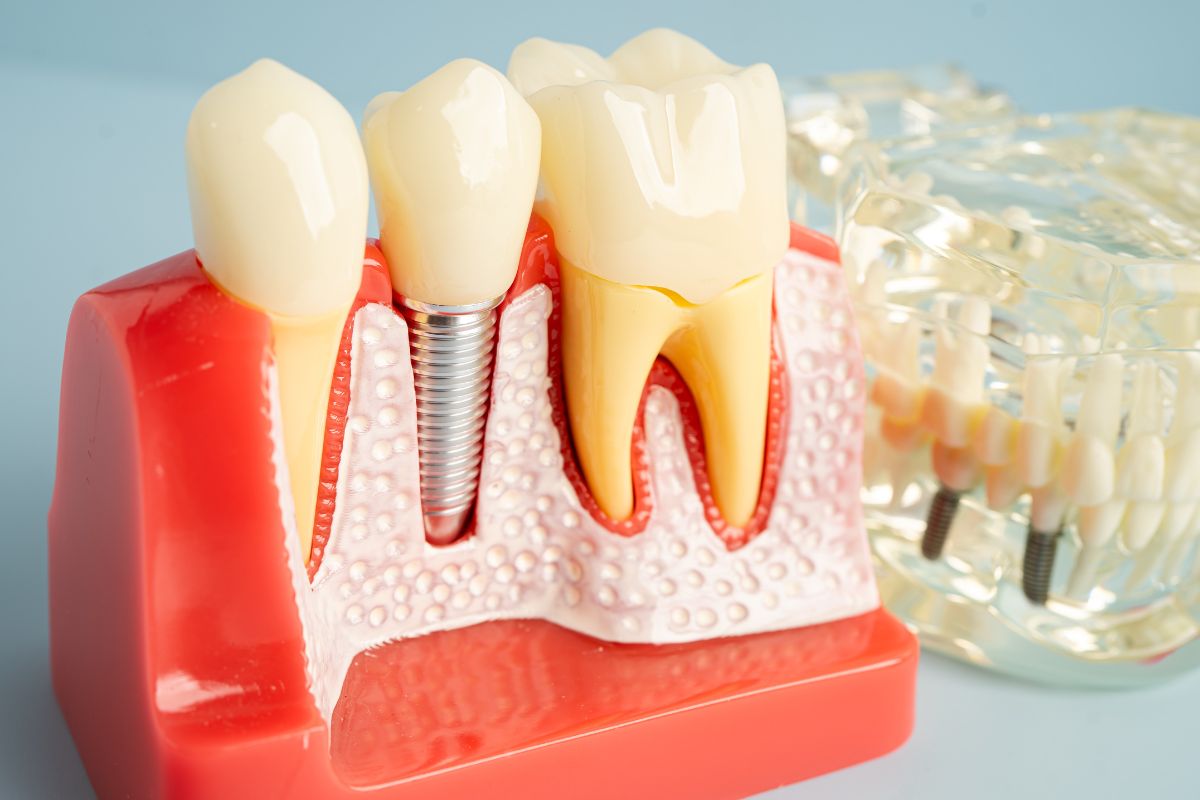
Are you taking the best care of your dental implants? Many people invest in dental implants to restore their smile and improve their quality of life, but maintaining them requires proper care. Brushing and flossing your implants correctly is key to ensuring they last for years. If you’re living in this part of MD and have implants or are considering them, this guide will help you understand how to keep your implants in top condition.
Why Proper Care of Dental Implants is Essential?
These tooth replacement appliances are designed to function like natural teeth. However, even though they are durable, they require consistent care to maintain their longevity. If you have availed dental implants Silver Spring, you’ll want to follow these brushing and flossing tips to keep your implants looking great for years. Poor care can lead to implant failure, gum disease, or even bone loss.
Brushing: The First Line of Defense
When it comes to caring for your dental implants, brushing is the most important habit. The key to keeping your implants clean is to brush them just as you would your natural teeth, twice a day for at least two minutes. Here are some tips for effective brushing:
- Use a Soft-Bristled Toothbrush: Hard bristles can scratch your implants and cause irritation to your gums. Opt for a soft-bristled toothbrush to gently remove plaque and food particles.
- Non-Abrasive Toothpaste: Select a toothpaste that is non-abrasive. Harsh toothpastes or those with whitening agents can scratch your implant surface.
- Angle the Brush: Position your toothbrush at a 45-degree angle relative to your gums. This helps remove plaque from the gum line, a key area for dental implant longevity.
- Brush Gently: Avoid using excessive force when brushing. Gently move the brush in a circular motion to avoid harming your gums.
Flossing: Don’t Skip This Crucial Step
Flossing is often overlooked, but it’s essential for dental implants. Unlike traditional crowns or bridges, dental implants require a little more care around the gumline. Here’s how you can floss your dental implants properly:
- Use Implant-Specific Floss: Regular floss may not be ideal for implants. Try using specialized floss that’s designed for implants. This type is thicker and helps prevent damage to the implant’s surface.
- Floss Gently: Slide the floss carefully between your implants and gums. Never snap the floss; this can cause gum injury and discomfort.
- Clean Around the Abutment: Be sure to clean around the abutment, the piece that connects your implant to the crown. This area is prone to plaque buildup and should be cleaned thoroughly.
- Consider a Water Flosser: For added convenience, you can use a water flosser. Water flossers are an excellent way to remove debris and plaque between teeth and along the gumline without the harshness of traditional floss.
Special Care for Implants in the First Few Months
After getting dental implants in Silver Spring, your gums may need some time to heal. During this time, it’s important to avoid harsh brushing or flossing. Instead, use a gentle touch and consult your dentist for specific instructions during the healing phase.
Avoid Certain Foods to Protect Your Implants
Implants are durable, but they are not completely invulnerable. Eating certain foods can be tough on your implants and should be avoided. For example, sticky or hard foods like chewing ice, popcorn kernels, or hard candies can put undue pressure on the implants. Additionally, sugary foods can lead to plaque buildup, which could potentially lead to complications.
If you’re enjoying a meal at one of the local eateries like the popular Pacci’s, try to avoid foods that can cause excessive wear on your dental implants. Soft, healthy options like mashed potatoes or cooked vegetables are great choices.
Why It’s Crucial to Use the Right Products?
To ensure your dental implants in Silver Spring stay clean and healthy, using the right products is a must. Here’s what you should look for:
- Antibacterial Mouthwash: Use an alcohol-free mouthwash that helps fight bacteria without drying out your mouth. This helps reduce the risk of gum disease around your implants.
- Interdental Brushes: These small, specialized brushes are designed to clean between your implants and natural teeth. They’re ideal for removing food particles from hard-to-reach areas.
- Implant-Safe Floss: Regular floss can shred or fray when used on dental implants. Implant-specific floss or flossers can help you clean your implants effectively without damaging them.
Keep Your Smile Healthy with Careful Maintenance
Your implants are an investment in your smile, and with proper care, they can last a lifetime. Brushing and flossing correctly, using the right tools, and keeping up with regular dental visits are all essential to protecting your implants. Whether you live near the lively Silver Spring Civic Center or enjoy the quiet surroundings of the National Capital Trolley Museum, you’ll want to make sure your implants stay healthy and strong.
If you’re looking to maintain your dental implants in Silver Spring for the long haul, schedule a consultation with Smile Loft Hillandale today! Our team is here to guide you in maintaining a healthy, vibrant smile. Visit Smile Loft Dental at Hillandale and book an appointment to get personalized tips and care for your implants.
FAQs
How often should I brush my dental implants?
You should brush your dental implants at least twice a day, just like natural teeth. Use a soft-bristled toothbrush and non-abrasive toothpaste to prevent damage while ensuring your implants stay clean and plaque-free.
Can I use regular floss with dental implants?
It’s recommended to use floss specifically designed for implants. Regular floss can fray or damage the implant’s surface, so using implant-safe floss or flossers ensures proper cleaning without harm.
What happens if I don’t floss around my dental implants?
Failing to floss around your dental implants can lead to plaque buildup, which may result in gum inflammation and infection. Over time, this can compromise the health of your implants and increase the risk of failure.
Do I need to visit the dentist regularly after getting implants?
Yes, regular dental check-ups are essential for maintaining the health of your implants. Your dentist will monitor the condition of your implants and gums to prevent complications and provide professional cleanings to keep everything in optimal shape.
Can I eat anything I want after getting dental implants?
While implants are strong, it’s best to avoid hard or sticky foods that could put unnecessary stress on your implants. Opt for softer foods during the initial healing period and continue with a diet that won’t damage your implants.
Is it safe to use a water flosser with dental implants?
Yes, using a water flosser is safe and effective for cleaning around dental implants. It helps remove debris from between the implants and gums without the risk of damaging the implant’s surface, making it a great alternative to traditional floss.
How long do dental implants last?
With proper care, dental implants can last a lifetime. Regular brushing, flossing, and dental visits help ensure the longevity of your implants by preventing issues like gum disease and plaque buildup.