
Do you ever wake up with a sore jaw, a dull headache, or teeth that feel unusually sensitive? You might assume it is caused by stress, poor sleep, or simply a long day. However, these symptoms can sometimes point to something happening while you sleep: teeth grinding.
Many people grind or clench their teeth without realizing it. This habit, known as bruxism, can gradually wear down tooth enamel, strain the jaw muscles, and contribute to ongoing dental discomfort. Recognizing the warning signs early can help you protect your teeth before more serious damage develops.
For residents in Silver Spring and the surrounding Hillandale community, understanding these symptoms can be the first step toward better oral health and more comfortable sleep.
What Causes Teeth Grinding?
Teeth grinding often happens during sleep, although some people clench their teeth while awake. Several factors may contribute to this habit, including:
- Everyday stress and anxiety
- Sleep-related conditions
- Certain medications
- Caffeine or alcohol consumption
- An irregular sleep schedule
- Jaw muscle tension
Occasional grinding may not cause noticeable problems. However, frequent or intense grinding can put excessive pressure on your teeth and jaw.
A dental professional can examine your teeth, evaluate your symptoms, and determine whether night guards are an appropriate option to help protect your teeth.
Warning Signs You Shouldn’t Ignore
Not sure whether you grind your teeth at night? Here are some common signs worth paying attention to.
Waking Up With a Sore Jaw
Does your jaw feel tight, tired, or uncomfortable when you get out of bed? This may happen because your jaw muscles have been working throughout the night.
Repeated clenching puts pressure on the muscles surrounding your jaw joint. If you regularly wake up with jaw discomfort, consider having it evaluated.
Frequent Morning Headaches
Morning headaches, particularly around the temples, can sometimes be associated with nighttime teeth grinding.
When you repeatedly clench your jaw, the surrounding muscles remain under tension. This can contribute to discomfort that you notice shortly after waking up.
If morning headaches happen frequently, discuss them with a healthcare professional rather than assuming grinding is the only possible cause.
Increased Tooth Sensitivity
Have you started noticing discomfort when drinking cold water, enjoying hot coffee, or eating something sweet?
Repeated grinding can gradually wear down enamel, exposing more sensitive areas of your teeth. You may also experience sensitivity from small cracks or other dental problems.
An examination can help identify the actual cause and determine the right treatment.
Flattened or Worn-Down Teeth
Take a moment to look at your teeth in the mirror. Do the edges appear flatter than before? Have you noticed unusual wear on the chewing surfaces?
These changes may indicate repeated friction between your upper and lower teeth.
Over time, excessive grinding can affect the natural shape of your teeth and increase the risk of chips, cracks, and other damage.
Clicking or Popping Sounds in Your Jaw
Hearing clicking or popping when you open your mouth or chew? Jaw joint sounds can have several causes, but they may sometimes occur alongside teeth clenching and grinding.
Pay attention if these sounds are accompanied by stiffness, tenderness, or difficulty opening your mouth comfortably.
A dental evaluation can help determine whether your jaw symptoms need further attention.
Your Partner Hears Grinding Sounds at Night
Sometimes, the first person to notice teeth grinding isn’t the person experiencing it.
If your partner mentions hearing scraping, clicking, or grinding sounds while you sleep, take it seriously. These noises may indicate that you are repeatedly pressing or moving your teeth against each other.
Even if you do not wake up during the process, repeated grinding can still affect your oral health.
Chipped Teeth or Damaged Dental Restorations
Have you noticed a small chip in a tooth, a cracked filling, or damage to a dental crown?
Repeated grinding places considerable pressure on teeth and existing restorations. Over time, this pressure may contribute to fractures, damaged fillings, and other dental complications.
If you notice any unexpected damage, schedule an examination to identify the cause and discuss ways to prevent further problems.
How Can a Night Guard Help?
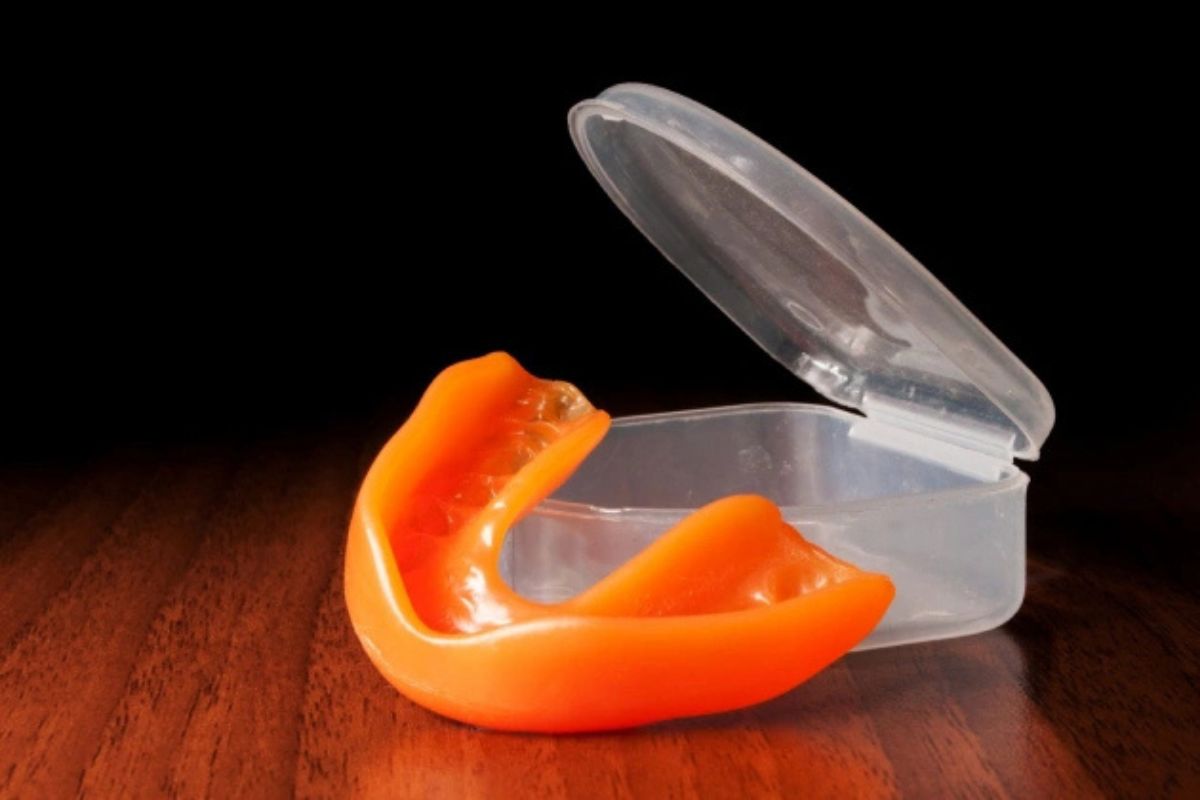
A custom-fitted night guard creates a protective barrier between your upper and lower teeth while you sleep. It helps reduce direct tooth-to-tooth contact and can limit the damage associated with grinding.
Depending on your dental needs, a dentist may recommend a professionally made appliance designed to fit your bite.
Potential benefits include:
- Protecting enamel from excessive wear
- Reducing direct pressure between teeth
- Helping protect crowns, fillings, and other restorations
- Supporting more comfortable jaw function
- Providing a better-fitting alternative to generic appliances
Keep in mind that a night guard protects your teeth but does not necessarily stop the underlying grinding habit. Your treatment plan may also address contributing factors such as stress, sleep concerns, or jaw discomfort.
When Should You See a Dental Professional?
Do not wait until you experience significant tooth damage to seek help. Consider scheduling an evaluation if you regularly experience:
- Morning jaw soreness
- Frequent headaches after waking up
- Unexplained tooth sensitivity
- Visible tooth wear
- Cracked teeth or damaged fillings
- Jaw discomfort when chewing
For families and individuals around Hillandale and Silver Spring, having a local dental office makes it easier to address these concerns before they interfere with everyday activities.
Frequently Asked Questions
How do I know if I grind my teeth while sleeping?
Common signs include morning jaw soreness, headaches, tooth sensitivity, worn enamel, and grinding sounds reported by a sleeping partner. A dental examination can help identify evidence of bruxism.
Can teeth grinding damage my teeth permanently?
Yes. Frequent grinding can cause enamel loss, cracks, chips, and damage to existing dental restorations. Severe damage may require restorative treatment.
Are over-the-counter night guards effective?
Over-the-counter options may provide some protection, but they may not fit your bite properly. A custom-fitted appliance is designed around your teeth and individual dental needs.
Do night guards stop teeth grinding completely?
No. They primarily protect your teeth from the effects of grinding and clenching. They do not necessarily eliminate the habit or address its underlying causes.
How long should I wear a night guard?
Your dental professional will recommend a wearing schedule based on your symptoms and oral health. Many patients who experience nighttime grinding are advised to wear their appliance while sleeping.
Protect Your Teeth Before Grinding Takes Its Toll
Teeth grinding may happen quietly while you sleep, but its effects can become noticeable during your everyday routine. Paying attention to jaw discomfort, headaches, tooth sensitivity, and unusual tooth wear can help you recognize when it is time to seek professional advice.
If you have noticed these symptoms, the team at Smile Loft Dental at Hillandale can evaluate your concerns and discuss whether a custom night guard is right for you. Schedule an appointment today and take a proactive step toward protecting your teeth and maintaining better oral health.