
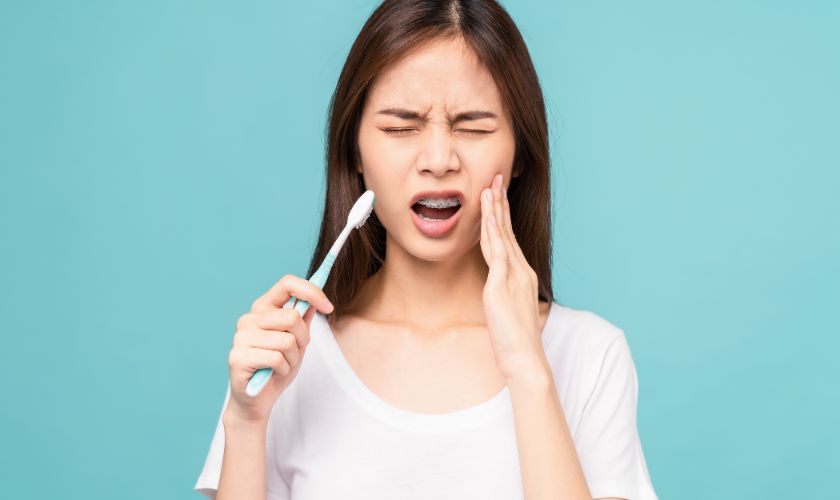
Are you considering teeth whitening but worried about sensitivity? If you’re a Silver Spring resident looking to brighten your smile, it’s essential to understand how teeth whitening may affect sensitive teeth. Let’s delve into what you need to know to make an informed decision.
Teeth whitening is a popular cosmetic dental procedure that can effectively remove stains and discoloration, revealing a brighter, more radiant smile. However, some individuals may experience tooth sensitivity during or after the whitening process. This sensitivity can range from mild discomfort to sharp pain, particularly when consuming hot, cold, or acidic foods and beverages.
So, what causes tooth sensitivity during teeth whitening? The active ingredients in whitening agents, such as hydrogen peroxide or carbamide peroxide, penetrate the tooth enamel to break down stains and lighten the teeth. While this process is generally safe, it can temporarily weaken the enamel and expose the underlying dentin, leading to sensitivity.
If you have sensitive teeth or are prone to sensitivity, here’s what you need to consider before undergoing teeth whitening in Silver Spring:
- Consult with Your Dentist: Before starting any teeth whitening treatment, schedule a consultation with your dentist Silver Spring. They can evaluate your oral health, assess the severity of your tooth sensitivity, and recommend the most suitable whitening option for your needs.
- Choose Professional Whitening: Professional teeth whitening performed by a dental professional is generally safer and more effective than over-the-counter products. Your dentist can customize the whitening treatment to minimize sensitivity and ensure optimal results.
- Gradual Whitening: Opt for a gradual whitening approach, such as take-home whitening trays, rather than in-office treatments that use high-concentration whitening agents. Gradual whitening allows for better control over sensitivity and may be more comfortable for sensitive teeth.
- Desensitizing Agents: Some professional whitening treatments include desensitizing agents or fluoride to help minimize tooth sensitivity and strengthen the enamel. These additives can provide added comfort during and after the whitening process.
- Take Precautions: During teeth whitening, avoid consuming hot, cold, or acidic foods and beverages, as they can exacerbate sensitivity. Stick to lukewarm or room temperature items and use a soft-bristled toothbrush and desensitizing toothpaste to gently clean your teeth.
- Follow Instructions Carefully: If using take-home whitening trays, follow your dentist’s instructions carefully to ensure safe and effective whitening. Overuse of whitening products or failure to follow instructions can increase the risk of sensitivity and other complications.
- Address Underlying Issues: If you experience persistent or severe tooth sensitivity, it’s essential to address any underlying dental issues, such as cavities, gum recession, or enamel erosion, before undergoing teeth whitening. Your dentist can identify and treat these issues to improve your overall oral health.
While tooth sensitivity is a common concern with teeth whitening, it’s usually temporary and can be managed with proper care and precautions. By working closely with your dentist and following their recommendations, you can achieve a brighter, more confident smile without compromising your dental comfort. If you’re considering teeth whitening Silver Spring and have concerns about sensitivity, don’t hesitate to discuss them with your dentist. They can help you choose the safest and most effective whitening option for your unique needs, ensuring a positive whitening experience and stunning results.