
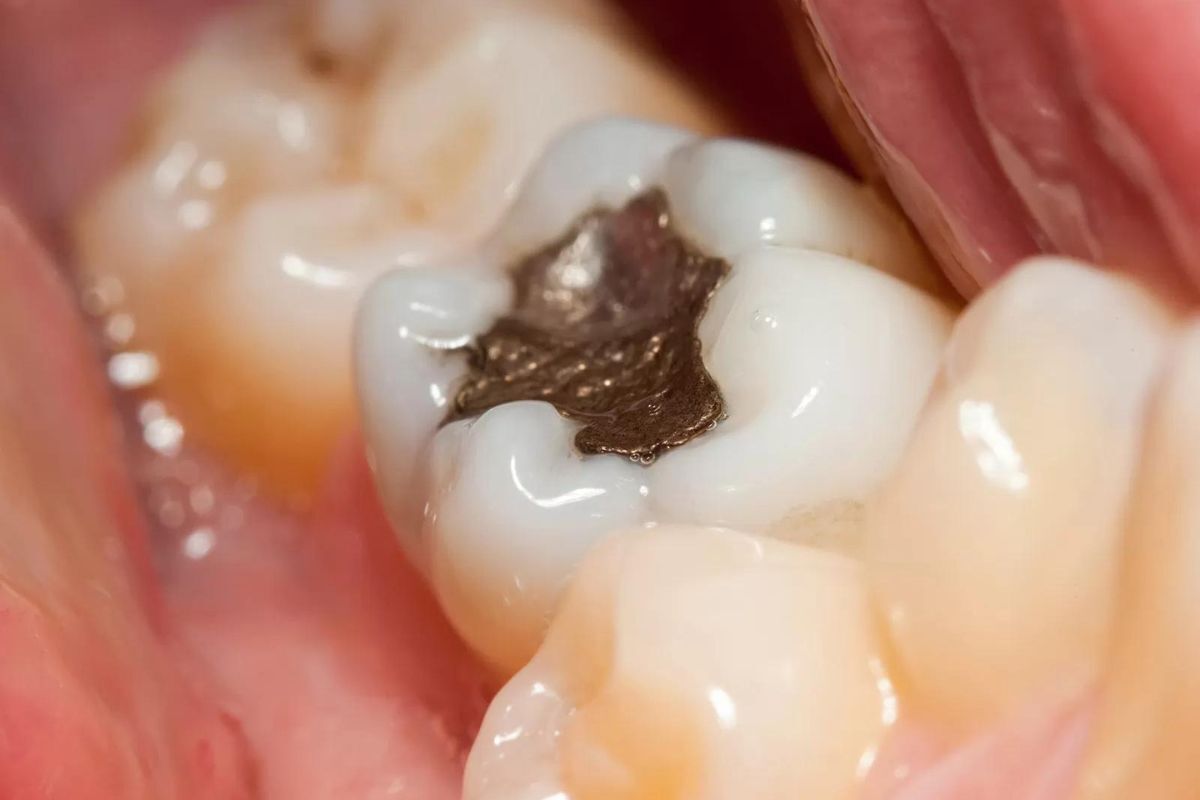
A tooth can look perfectly normal on the outside while a cavity is quietly developing beneath the surface. At first, you may notice nothing at all. Then one day, a sip of iced coffee, a bite of something sweet, or a sudden twinge while chewing reminds you that something has changed.
The good news is that catching tooth decay early can make treatment simpler and help protect more of your natural tooth. Knowing the warning signs can help you decide when it is time to schedule a dental visit rather than waiting for discomfort to become a bigger problem.
For patients looking for dental fillings, recognizing these changes early can make a meaningful difference. At a dental office serving the Silver Spring and Hillandale communities, routine examinations can help identify decay before it causes significant damage.
Warning Signs to Watch
Tooth Sensitivity That Keeps Coming Back
Does a particular tooth react when you drink something cold, enjoy a hot meal, or eat sweets? Occasional sensitivity does not always mean you have a cavity, but repeated or localized sensitivity can be a sign that decay has affected the tooth.
Pay attention if the sensation keeps returning in the same area or lasts longer than a few seconds after the trigger is gone.
A Toothache Without an Obvious Cause
A dull ache, sharp twinge, or recurring discomfort should not be ignored. Tooth decay can irritate the inner layers of a tooth as it progresses.
Pain that appears while eating or even when you are not using the tooth deserves a professional evaluation. Treating a cavity before it reaches the deeper part of the tooth may help prevent more extensive treatment.
You Feel Pain When Biting or Chewing
If one tooth hurts when you bite down, there may be an underlying issue that needs attention. Decay is one possibility, although a cracked tooth, worn restoration, or another dental concern can cause similar symptoms.
A dentist can examine the area and determine what is actually causing the discomfort instead of relying on symptoms alone.
You Notice a Dark Spot or Small Hole
A visible dark mark, rough area, pit, or tiny hole on a tooth can be a warning sign of decay. Cavities do not always appear as large, obvious holes. Some begin in grooves or between teeth where they are difficult to see in a mirror.
If you notice a new spot or change in the appearance of a tooth, schedule an examination.
Food Frequently Gets Stuck Between Your Teeth
Has the same spot started trapping food whenever you eat? A change in the shape or surface of a tooth can sometimes create a space where food collects.
This can be especially noticeable around back teeth, where chewing surfaces contain natural grooves. Persistent food trapping should be checked rather than simply managed with repeated flossing.
Your Tooth Feels Rough or Uneven
Run your tongue over a tooth and notice a new rough edge or unusual texture? It may be worth having it examined.
Changes in tooth texture can occur for several reasons, including decay or damage. Even if there is no pain, a dental professional can determine whether the area needs monitoring or treatment.
You Have Bad Breath or an Unpleasant Taste
Persistent bad breath or a recurring unpleasant taste can have several causes, including gum disease, dry mouth, oral bacteria, or tooth decay.
If brushing, flossing, and regular oral hygiene do not resolve the problem, an examination can help identify the underlying cause.
What Happens If You Need Treatment?
If your dentist finds a cavity, treatment typically involves removing the decayed portion of the tooth and restoring the area with a suitable filling material. The goal is to remove the damaged tissue while preserving as much healthy tooth structure as possible.
The treatment recommended depends on the size and location of the decay. A small cavity may require a straightforward restoration, while deeper decay may require a different approach.
This is why waiting for severe pain is not a good strategy. By the time a cavity becomes painful, the decay may have progressed beyond the stage of a simple restoration.
Why Regular Dental Visits Matter in Silver Spring
Life around Silver Spring and Hillandale can get busy. Between work, school, commuting, errands, and family responsibilities, it is easy to postpone a routine dental appointment when nothing hurts.
But cavities can develop without obvious symptoms. Regular examinations allow your dental team to look for early changes that you may not notice at home. Depending on your individual oral health, dental X-rays may also help identify decay between teeth or beneath existing restorations.
For local patients searching for dental fillings Silver Spring, choosing a conveniently located dental office can make it easier to stay consistent with preventive care and address problems before they interfere with everyday life.
What You Can Do at Home
You cannot always see a cavity yourself, but you can take steps to reduce your risk and notice changes earlier:
- Brush twice daily with fluoride toothpaste.
- Clean between your teeth every day.
- Limit frequent snacking on sugary foods and drinks.
- Drink water throughout the day, especially after meals.
- Do not ignore recurring sensitivity or tooth discomfort.
- Keep up with recommended dental examinations and cleanings.
- Contact your dentist if you notice a new spot, hole, rough area, or persistent pain.
Small daily habits can protect your teeth, but professional examinations remain important because some areas of decay are impossible to see or feel on your own.
Frequently Asked Questions
Can a cavity heal on its own?
Very early enamel changes may sometimes be managed or reversed with fluoride and improved oral hygiene. Once a true cavity has formed, however, the damaged tooth structure generally cannot grow back and may require restoration.
Can I have a cavity without having tooth pain?
Yes. Tooth decay can develop without noticeable symptoms, particularly during its early stages. This is one reason routine dental examinations are important even when your teeth feel fine.
How does a dentist know if I need a filling?
Your dentist may examine your teeth visually and with dental instruments. X-rays may also be recommended when decay is suspected between teeth or in areas that cannot be seen directly.
Does every dark spot mean I have a cavity?
Not necessarily. A dark area can result from staining, an old restoration, natural tooth grooves, or decay. Your dentist can determine the cause during an examination.
What should I do if I think I have a cavity?
Do not wait for severe pain. Schedule a dental examination so the area can be evaluated and treated appropriately. Early attention may help preserve more of your natural tooth.
Protect Your Teeth Before a Small Problem Becomes a Big One
A little sensitivity today may seem easy to ignore, but your teeth can change long before a dental problem becomes obvious. Paying attention to unusual symptoms and keeping up with preventive visits can help you stay ahead of decay and protect your natural teeth.
If you have noticed sensitivity, discomfort, a dark spot, food getting trapped, or another change in a tooth, Smile Loft Dental at Hillandale is here to help. Schedule an appointment today for a professional evaluation and take the next step toward keeping your teeth healthy and comfortable.