
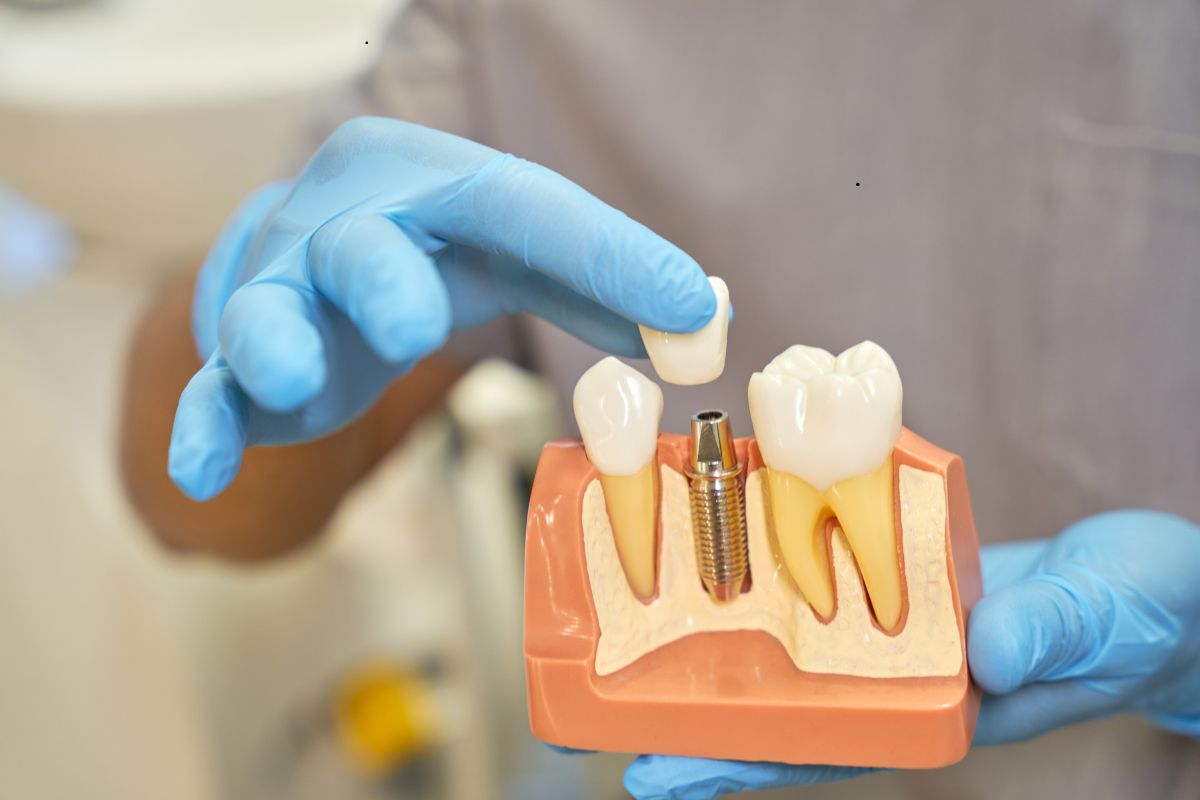
Healing after dental implant treatment can feel slow when you are not sure what to eat. The food you choose plays a big role in how fast your mouth recovers. Many people visit a dentist silver spring patients trust to learn what helps their gums heal well, and one of the first tips is to focus on gentle, soft and nourishing foods. Your mouth needs time to rest, and the right diet gives your body the support it needs to repair tissue and protect the implant site.
Eating the proper meals helps lower swelling, cuts the risk of infection and keeps you comfortable during the early days. This simple guide explains what to eat, what to avoid and how to make choices that help the healing process go smoothly.
Why Diet Matters After Dental Implants
Your mouth works hard after surgery. A small cut in the gums needs time to close, and the bone around the implant must grow and bond with it. When the area is sore, the wrong foods can slow down the whole process. A soft diet protects the surgical site, while balanced nutrients help your body rebuild tissue in a healthy way.
If you ever feel unsure, a Silver Spring dentist can explain how your diet affects healing and how long you should stay on soft foods. Every case is different, but most people follow the same general steps during the first few weeks.
Best Foods to Eat Right After Surgery
During the first few days, your mouth is tender. Soft foods keep pressure off the implant area and make chewing easy. Pick items that do not need force to break down. Use gentle bites and chew on the side away from the implant when possible.
1. Smooth and blended foods
Smooth textures are perfect during the early stage. They slide down easily and give your mouth a break.
Good choices include
• Yogurt
• Applesauce
• Pudding
• Mashed bananas
• Smooth soups and broths
These foods keep you full without causing pain or pulling on the stitches.
2. Protein-rich items for strength
Protein helps your body repair tissue and build healthy bone. Even soft foods can be rich in protein if you pick the right ones.
Examples include
• Scrambled eggs
• Smooth nut butters
• Soft tofu
• Protein shakes
• Blended beans
Your body uses protein to speed up healing and keep your energy steady.
3. Hydrating foods and drinks
Fluids help with swelling and dryness. Drink plenty of water throughout the day to keep your mouth clean and moist. Cold drinks like chilled water can bring comfort when gums feel sore.
You can also enjoy
• Coconut water
• Herbal teas
• Broths
Avoid using a straw since it can create suction and disturb the implant site.
If you are ever unsure about your food choices or your healing progress, reach out to a dentist silver spring patients rely on for clear guidance. Simple advice can help you avoid problems and keep recovery on track.
Soft Foods for the Next Week
Once the soreness starts to fade, you can add a wider range of soft meals. These foods still protect your gums but offer more variety.
1. Cooked vegetables
Soft veggies give vitamins that help your body repair tissue. Steam them until they are tender.
Good options
• Carrots
• Zucchini
• Spinach
• Squash
2. Soft grains
Grains are gentle when cooked well. They give energy without adding stress to the gums.
Try
• Oatmeal
• Rice
• Pasta
• Quinoa
3. Tender proteins
You can include soft fish and slow-cooked meats after a few days. Make sure they break apart easily.
Options
• Flaky fish
• Stewed chicken
• Soft turkey
• Beans
Foods to Avoid During Healing
Some foods can cause pain, irritation or damage to the implant. Avoid these items until your silver spring dentist tells you it is safe to return to your regular diet.
1. Hard or crunchy foods
Hard foods can hit the implant site and cause discomfort. They may even slow down healing.
Avoid
• Chips
• Nuts
• Hard bread
• Raw carrots
• Popcorn
2. Sticky or chewy foods
Sticky textures pull at healing gums. They can stick to the area and make cleaning harder.
Skip
• Caramels
• Taffy
• Sticky rice
• Gum
3. Hot and spicy foods
Spices and high heat irritate the surgical area. It may cause swelling or burning.
Avoid
• Very hot soups
• Spicy sauces
• Chili peppers
4. Alcohol and carbonated drinks
Alcohol slows healing and can dry out mouth tissue. Drinks with bubbles may irritate the gums or loosen stitches.
Wait until the area is fully healed before reintroducing these items.
Simple Meal Ideas During Recovery
If thinking of meals feels hard, start with simple plans that match your healing stage. These meal ideas are gentle and easy to adjust.
Breakfast
• Oatmeal with mashed fruit
• Smooth scrambled eggs
• Yogurt with soft berries
Lunch
• Blended vegetable soup
• Soft pasta with light sauce
• Mashed sweet potatoes
Dinner
• Steamed fish
• Tender cooked beans
• Cooked vegetables
Snacks
• Smoothies
• Applesauce
• Cottage cheese
These options keep your diet balanced without hurting the implant site.
How Long Should You Stay on Soft Foods?
Most people stay on soft foods for about one to two weeks. Your exact timeline depends on your body and the number of implants placed. Follow the instructions from your dentist silver spring provider since they know your case best.
As healing improves, you can slowly return to regular meals. Chew gently and avoid biting directly on the implant until you get approval.
Tips to Help Healing Along With Diet
Food is not the only factor that affects healing. These habits support a smooth recovery.
• Drink plenty of water
• Keep the implant area clean
• Brush gently around the site
• Avoid smoking
• Rest as needed
• Follow all post-care instructions
Small daily steps help the gums recover and lower the chance of problems.
Frequently Asked Questions
1. When can I start eating normal food again?
Most people return to normal food within one to two weeks, depending on healing. Follow the instructions from your silver spring dentist for the safest timeline.
2. Can I drink cold beverages after implants?
Yes. Cold drinks can soothe sore gums. Avoid drinking through a straw to protect the implant site.
3. Is it safe to eat fruit?
Soft fruits like bananas and canned peaches are safe. Hard fruits like apples should be avoided until healing improves.
4. What happens if I eat something hard by accident?
If you feel pain or notice bleeding, call your dentist. A single mistake may not cause harm, but it is best to get advice.
5. Can spicy food slow healing?
Spicy food can irritate the gums and increase discomfort, so it is best to avoid it during early recovery.
6. Do I need to take vitamins to heal faster?
A balanced diet is usually enough. Your dentist may suggest supplements if your body needs extra support.
7. Why are soft foods so important after implant surgery?
Soft foods protect the surgical area and help the bone and gum tissue repair without stress.
Conclusion
Healing after dental implants in Silver Spring is easier when you know what to eat and what to avoid. Soft, gentle and nourishing foods give your body the support it needs to repair tissue and keep the implant stable. Pay attention to your comfort level and take small steps as you return to your regular diet. If you ever feel unsure, talk with Smile Loft Dental at Hillandale for clear guidance that fits your needs. Your diet shapes the early healing stage. Make smart food choices and give your mouth the care it deserves so the implant can stay strong for years.