
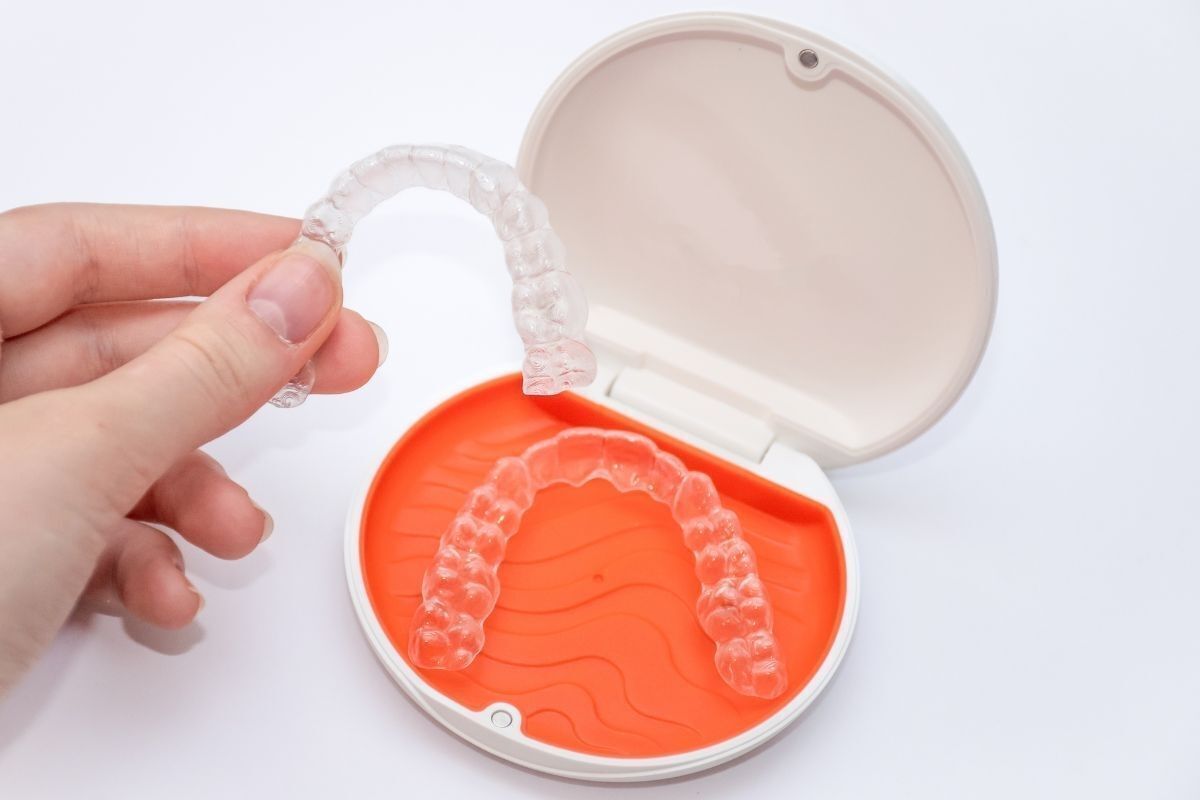
A straighter smile can boost your confidence, improve oral health, and make everyday interactions feel more comfortable. But before starting orthodontic treatment, one question often comes to mind: Will my insurance help pay for it? Understanding your dental benefits can make a significant difference when planning for treatment costs.
Many patients are surprised to learn that insurance coverage for clear aligners varies from one plan to another. Knowing what your policy includes and how to make the most of your benefits can help reduce out-of-pocket expenses while bringing you closer to the smile you want.
If you are exploring invisalign silver spring treatment options, understanding your insurance coverage is an important first step. With the right information, you can confidently move forward and avoid unexpected financial surprises.
Understanding Insurance Coverage for Clear Aligners
Dental insurance plans differ widely, which means there is no universal answer regarding coverage. Some plans consider clear aligners an orthodontic treatment and provide partial coverage, while others may exclude orthodontic benefits altogether.
Coverage often depends on factors such as:
- Your specific dental insurance provider
- Whether orthodontic benefits are included in your plan
- Age restrictions within the policy
- Lifetime orthodontic maximums
- Waiting periods before benefits become available
Reviewing your policy carefully or speaking with your dental team can help clarify exactly what is covered.
What Types of Plans May Offer Coverage?
Many employer-sponsored dental plans include orthodontic benefits that can be applied toward clear aligner treatment. Some individual dental insurance plans may also provide assistance.
You may find coverage through:
- Preferred Provider Organization (PPO) plans
- Certain Dental Health Maintenance Organization (DHMO) plans
- Supplemental orthodontic insurance plans
- Employer-sponsored dental benefits
Even when coverage is available, insurance often pays a portion rather than the entire treatment cost.
Ways to Maximize Your Insurance Benefits
Getting the most value from your dental insurance requires a little planning. Here are several strategies that can help.
Verify Benefits Before Starting Treatment
Before committing to treatment, request a benefits verification. This helps identify:
- Coverage percentages
- Deductibles
- Annual maximums
- Orthodontic lifetime limits
- Any waiting periods
Knowing these details upfront helps you make informed financial decisions.
Use Flexible Spending Accounts
If your employer offers a Flexible Spending Account (FSA) or Health Savings Account (HSA), these funds can often be used for eligible orthodontic expenses.
Benefits include:
- Tax advantages
- Reduced out-of-pocket costs
- Greater financial flexibility
Combining insurance coverage with pre-tax healthcare funds can significantly lower overall expenses.
Schedule Treatment Strategically
Timing matters. Depending on your insurance plan, starting treatment at the right time may help maximize annual benefits.
For example:
- Utilizing remaining annual benefits before they expire
- Coordinating treatment across benefit periods when applicable
- Planning around deductible requirements
A knowledgeable dental office can help identify the best timing based on your individual plan.
Choose an Experienced Dental Team
An experienced provider can often assist with:
- Insurance verification
- Claims submission
- Benefit coordination
- Payment plan options
This support helps simplify the process and ensures you receive every benefit available under your plan.
Why Local Patients Should Review Their Coverage Carefully
Residents throughout the Silver Spring area often have access to a variety of employer-sponsored insurance plans due to the region’s diverse workforce. Whether you work in healthcare, education, government, technology, or local business sectors, your benefits package may include orthodontic coverage that can help offset treatment costs.
Because insurance plans differ significantly among local employers, it is worth taking the time to review your policy details. A quick benefits check may reveal coverage opportunities you did not realize were available.
For many families in the area, combining insurance benefits with flexible financing options makes achieving a straighter smile more affordable than expected.
Questions to Ask Your Insurance Provider
Before beginning treatment, consider asking these important questions:
- Does my plan include orthodontic benefits?
- Are clear aligners covered under my policy?
- Is there a lifetime orthodontic maximum?
- Are there age-related coverage limitations?
- Is there a waiting period before benefits begin?
- Will I need pre-authorization for treatment?
- What percentage of treatment costs will be covered?
Getting answers to these questions can help prevent surprises later.
Signs It’s Time to Explore Treatment
You may be a good candidate for clear aligners if you have:
- Crowded teeth
- Gaps between teeth
- Mild to moderate bite issues
- Relapse after previous orthodontic treatment
- Concerns about smile appearance
Patients seeking invisalign silver spring solutions often appreciate the discreet appearance and convenience that clear aligners provide.
Take the Next Step Toward a Confident Smile
Understanding your insurance benefits can make orthodontic treatment more accessible and less stressful. By reviewing your coverage, exploring available savings options, and working with an experienced dental team, you can maximize your benefits and make informed decisions about your care.
If you’re considering clear aligners and want help understanding your coverage, contact Smile Loft Dental at Hillandale today. Schedule a consultation and let our team help you create a personalized path toward a healthier, more confident smile.
Frequently Asked Questions
Does dental insurance always cover clear aligners?
No. Coverage varies by plan. Some policies provide orthodontic benefits that can be applied toward treatment, while others may not include orthodontic coverage.
Can adults receive insurance benefits for orthodontic treatment?
Some plans offer adult orthodontic coverage, while others limit benefits to younger patients. Checking your specific policy is essential.
Can I use an HSA or FSA for treatment costs?
In many cases, yes. HSA and FSA funds can often be used for eligible orthodontic expenses, including clear aligner treatment.
Will insurance cover the entire cost of treatment?
Typically, insurance covers only a portion of treatment costs. Patients are usually responsible for any remaining balance.
How can I find out what my plan covers?
The easiest approach is to contact your insurance provider directly or request a benefits review from your dental office.