
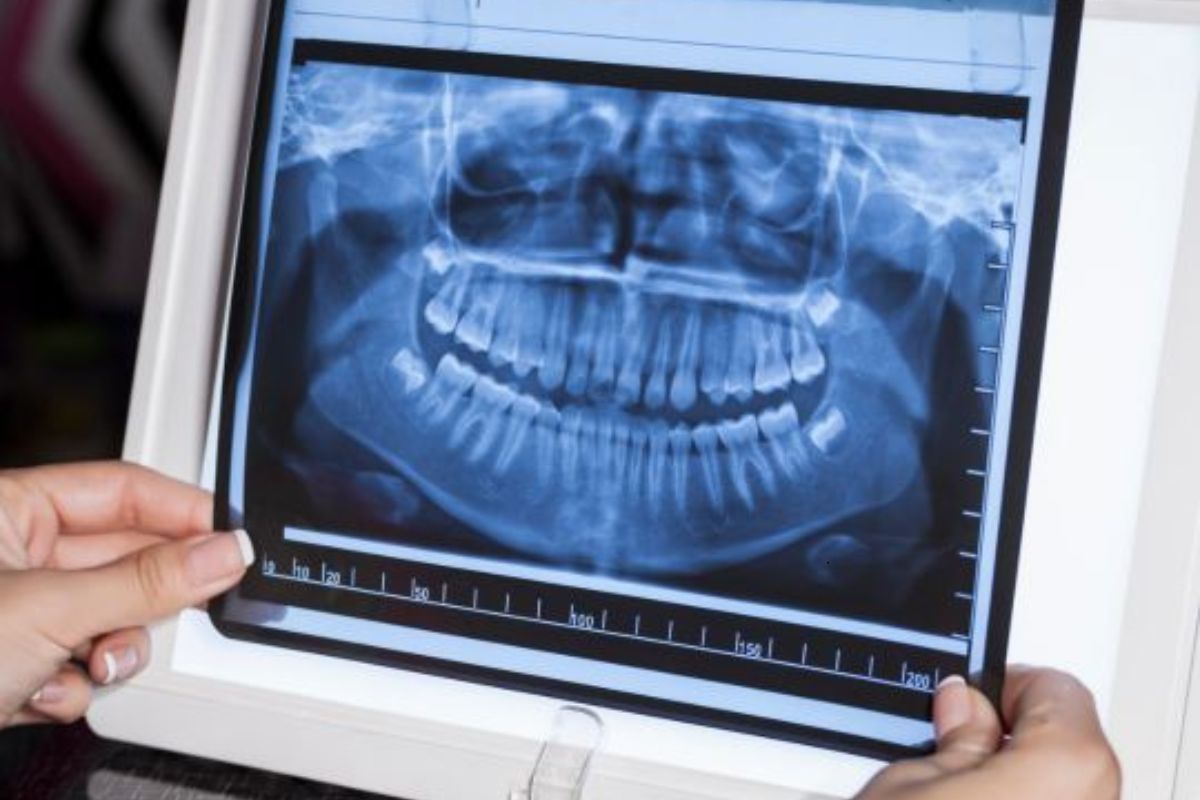
Dental X-rays are a fundamental part of comprehensive dental care, offering insights into areas of your mouth that aren’t visible during a regular exam. By providing detailed images of your teeth, bones, and surrounding tissues, dental X-rays allow your dentist to detect, diagnose, and treat potential issues early on. If you’re visiting a dentist, understanding the importance of dental X-rays can help you take a proactive approach to your oral health. Below, we’ll explore why these images are essential for maintaining a healthy smile.
What Are Dental X-rays?
Dental X-rays are images taken using low-dose radiation to capture the condition of your teeth, gums, and jawbone. There are several types of dental X-rays, each serving a unique purpose:
- Bitewing X-rays: These help detect decay between teeth and monitor bone density.
- Periapical X-rays: Focus on one or two teeth to show the entire tooth structure, including the root.
- Panoramic X-rays: Provide a full view of your mouth, showing teeth, jawbones, and surrounding structures.
- Occlusal X-rays: Often used for young patients to monitor tooth development and detect abnormalities.
Your dentist in Silver Spring will determine the type of X-ray based on your dental health and any specific concerns.
Why Are Dental X-rays Essential?
Dental X-rays offer benefits that go beyond what a visual examination can reveal. Here’s why they’re so essential for your oral health:
Early Detection of Tooth Decay
Decay can start in places that are hard to see, like between teeth or under existing fillings. X-rays help your dentist detect these hidden areas of decay before they become painful or lead to more serious issues. Early detection allows for smaller, less invasive treatments and helps preserve as much natural tooth structure as possible.
Identification of Bone Loss and Gum Disease
Gum disease is a leading cause of tooth loss and often doesn’t show visible symptoms in its early stages. Dental X-rays help your dentist monitor bone density and identify signs of bone loss, which may indicate advanced periodontal disease. Early diagnosis enables more effective treatment, preventing further damage and tooth loss.
Monitoring Tooth Development and Alignment
For younger patients or adults considering orthodontics, dental X-rays are critical in assessing tooth development and alignment. X-rays can reveal impacted teeth, jaw misalignment, and overcrowding, helping your dentist make informed recommendations for orthodontic treatment, if necessary.
Detection of Abscesses, Cysts, and Tumors
Abscesses, cysts, and tumors can develop inside the mouth and jaws and may go unnoticed without the help of X-rays. Detecting these growths early on can lead to timely interventions and more successful treatment outcomes. Regular X-rays can prevent these conditions from causing further harm.
Assessing the Health of Restorations
If you have fillings, crowns, or other dental work, X-rays help your dentist check their integrity. Restorations can sometimes deteriorate or create gaps where bacteria can enter, leading to decay. Monitoring these areas with X-rays ensures that your restorations are still effective and that there’s no hidden decay underneath.
How Often Do You Need Dental X-rays?
The frequency of dental X-rays depends on your age, oral health, and risk factors. Generally, those with ongoing dental issues, a history of cavities, or periodontal disease may need X-rays more frequently than patients with stable oral health. For a routine check-up with your dentist, X-rays are typically taken every 6 to 24 months, but your dentist will personalize the schedule based on your needs.
Are Dental X-rays Safe?
One common concern is radiation exposure from dental X-rays. However, modern digital X-rays use minimal radiation, making them very safe. Additionally, dentists use protective measures, like lead aprons, to further minimize any exposure. The health benefits of dental X-rays far outweigh the risks, as they allow for early diagnosis and intervention.
Dental X-rays and Preventive Care
Dental X-rays play an essential role in preventive care. By identifying potential problems before they escalate, X-rays contribute to maintaining healthy teeth and gums. Preventive care, including regular X-rays, reduces the need for more extensive and costly treatments down the line. When you visit a dentist, keeping up with preventive X-rays can help you stay ahead of any issues and ensure that your oral health remains in top condition.
Choosing a Dentist for Your Dental X-rays
Finding a reliable Silver Spring dentist for routine check-ups and dental X-rays can make a significant difference in your oral health journey. Your dentist will work with you to create a customized X-ray schedule that fits your needs, ensuring your smile stays healthy and beautiful. With a trusted dental team, you can rest assured that you’re receiving the highest level of care in a comfortable and safe environment.
Conclusion
Dental X-rays are invaluable in detecting hidden issues, diagnosing conditions early, and planning effective treatments. They are a cornerstone of preventive care, helping you and your dentist maintain the best possible oral health. Whether you’re new to dental X-rays or simply need a refresher, understanding their role in your dental care routine can help you feel more confident in prioritizing your oral health. Remember, regular check-ups and X-rays are essential investments in a long-lasting, healthy smile.