
Have you been thinking about replacing a missing tooth but feel unsure about what the process entails? You are not alone.
Many people in Silver Spring and nearby communities, including Clifton Park Village, Goodacre Knolls, Woodside, Silver Spring Park, Woodmoor, and Downtown Silver Spring, want to move forward with tooth replacement but hold back simply because they do not know what to expect.
The truth is, getting a tooth implant is a structured, well-planned process. When you understand every stage before you start, the entire journey feels far less intimidating. This guide breaks down the complete procedure, from your first consultation through aftercare — so you can walk into your appointment feeling prepared and confident.
If you are considering dental implants in Silver Spring, Smile Loft Dental at Hillandale is here to walk you through the process.
Dr. Kashyap Patel and the team work with patients to create a clear, step-by-step treatment plan that fits their unique needs. Contact today to schedule your consultation and take the first step toward a complete, confident smile.
What Are Dental Implants?
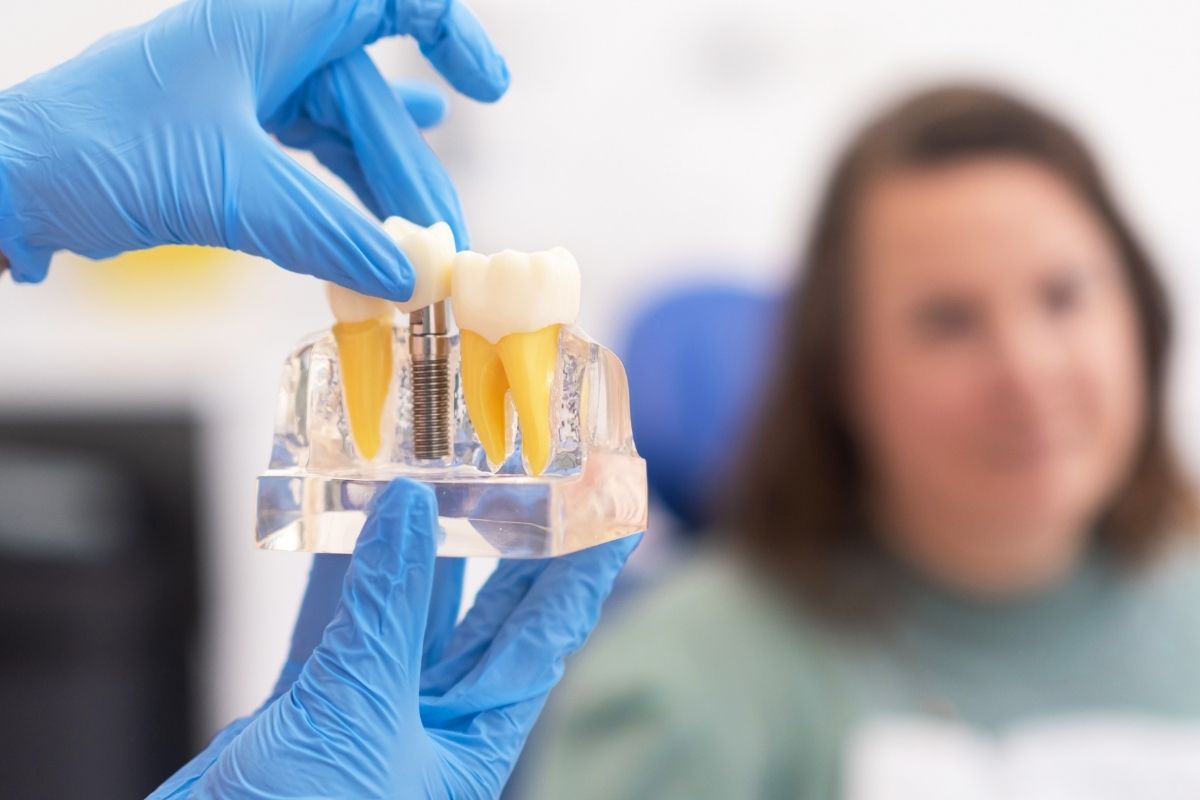
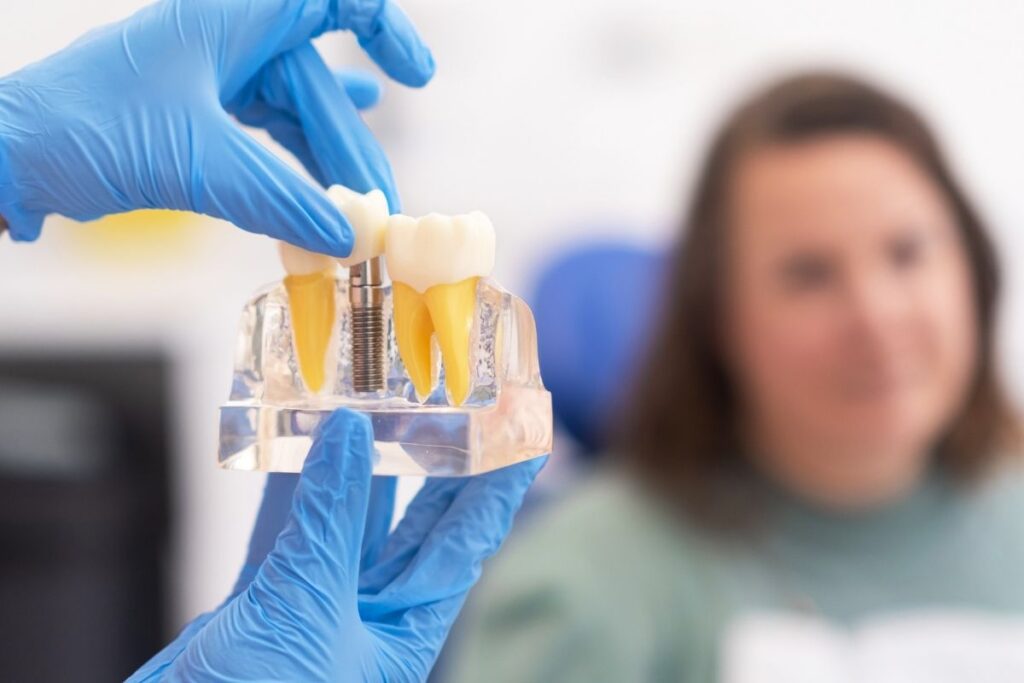
A dental implant is a small titanium post that a dentist places directly into your jawbone. This post acts as an artificial tooth root. Once it bonds with the bone, it holds a custom-made crown, bridge, or denture on top — one that looks and functions like a natural tooth.
Unlike dentures, which sit on top of the gums and can shift around, an implant-supported tooth stays firmly in place. It lets you eat, speak, and smile without worry. And because the titanium post stimulates your jawbone the same way a natural root does, it also helps prevent the bone loss that typically follows tooth extraction.
Who Is a Good Candidate?
Not every patient is immediately ready for implant placement, but most healthy adults are. Candidates typically need:
• Healthy gums with no active gum disease
• Adequate jawbone density to support the post
• Good overall health with no uncontrolled systemic conditions
• A commitment to regular dental care and hygiene
Even if you have lost some bone or have gum disease, preparatory treatments can often make you a suitable candidate. Your dental care provider will assess this at your first visit.
The Step-by-Step Dental Implant Process
Step 1: Initial Consultation and Evaluation
Your journey starts with a thorough consultation. During this visit, your implant dentist will:
• Review your full medical and dental history
• Examine your teeth, gums, and jawbone
• Take dental X-rays or a 3D CT scan to check bone structure and density
• Discuss your goals and explain all treatment options
By the end of this appointment, you will have a personalized treatment plan that outlines every step ahead, the expected timeline, and what to anticipate at each stage.
Approximate time: 1 visit, typically 1–2 hours
Step 2: Preparatory Procedures (If Needed)
Some patients need preparatory work before the implant post can be placed. This may include a tooth extraction if the damaged tooth is still present, or a bone graft if the jawbone lacks the volume needed to hold the implant securely. Gum disease treatment may also be required before surgery begins. These steps are not setbacks; they are what ensure your implant has a solid foundation and the best chance of long-term success.
Approximate time: Bone graft healing can take 4–12 months; extractions heal within 1–2 weeks.
Step 3: Implant Post Placement Surgery
Once your mouth is ready, the dental practitioner places the titanium post into your jawbone. This is the core surgical step. The area is numbed with local anesthesia, so most patients feel pressure but no pain during the procedure. The dentist makes a small incision in the gum, carefully drills a precise opening in the bone, and positions the post. The gum is then closed around it. In some cases, a temporary crown is placed the same day; in others, the site is left to heal.
Approximate time: 1–2 hours per implant, performed in a single appointment.
Step 4: Osseointegration — The Healing Phase
After placement, your body begins a natural process called osseointegration. This is where the titanium post gradually fuses with the surrounding jawbone. Think of it as your bone “growing around” the implant, making it a permanent part of your jaw. This phase is the most critical part of the process because it creates the secure anchor that supports everything built on top of it.
During this time, you will have follow-up visits so your dental professional can monitor healing. Mild swelling, bruising, and soreness in the first few days are normal and typically manageable with over-the-counter pain relievers. Stick to soft foods and keep the area clean, but gentle.
Approximate time: 3–6 months.
Step 5: Abutment Placement
Once osseointegration is complete, the professional places a small connector piece on top of the post — this is called the abutment. It is the link between the post in your bone and the visible tooth on top. The implant dentist reopens the gum slightly, attaches the abutment, and closes the tissue around it. The gums then need 1–2 weeks to heal before the final restoration can be placed.
Approximate time: Minor procedure; gums heal in 1–2 weeks.
Step 6: Placement of the Crown, Bridge, or Denture
This is the final and most rewarding step. Your implant dentist takes a precise impression or digital scan of your mouth to design a custom crown (or bridge or denture, depending on your case). The restoration is made to match the color, shape, and size of your surrounding teeth. Once it is ready, the dental practitioner secures it onto the abutment, checks your bite carefully, and makes any final adjustments. You leave with a fully functional, natural-looking tooth.
Approximate time: 2–4 weeks for fabrication; placement takes one appointment.
How Long Does the Full Process Take?
For a straightforward case with no preparatory work needed, the entire process from consultation to final crown typically takes 3–6 months. When bone grafting is required, the timeline can extend to 12–18 months. Every patient is different, and your dental care provider will provide a realistic timeline during your consultation based on your specific situation.
Post-Treatment Care: How to Keep Your Implant Healthy
Caring for your implant-supported tooth is not complicated. Treat it the same way you would a natural tooth:
• Brush twice a day with a soft-bristle toothbrush
• Floss daily — water flossers work especially well around implant posts
• Attend routine dental check-ups and cleanings (at least twice a year)
• Avoid chewing on hard objects like ice or pens
• Do not smoke, as smoking significantly slows healing and reduces long-term success rates
With proper care, an implant-supported crown can last 15 years or more, and in many cases, for a lifetime. The titanium post itself rarely needs replacement. Regular dental visits are what protect your investment and keep your whole mouth healthy.
Why People Choose Implant-Supported Tooth Replacement
Patients across Silver Spring and the surrounding neighborhoods choose this tooth replacement option for several key reasons:
• They look and feel like real teeth — no one can tell the difference
• They do not slip, click, or require adhesives like removable dentures
• They preserve jawbone structure, preventing the sunken appearance that comes with tooth loss
• They allow you to eat all your favorite foods without restriction
• They protect neighboring teeth by not requiring them to be filed down (unlike a bridge)
• The success rate is approximately 95%, making them one of the most reliable procedures in modern dentistry
Ready to Start? Smile Loft Dental at Hillandale Is Here for You
Understanding the process is the first step toward making a confident decision about your oral health. Whether you are in your twenties, dealing with an injury, in your forties, replacing a tooth lost to decay, or a senior looking to upgrade from ill-fitting dentures, this treatment can be the right fit at any stage of life.
If you are looking into dental implants in Silver Spring, the team at Smile Loft Dental at Hillandale is ready to sit down with you, answer any questions, and build a treatment plan around your timeline and goals. Dr. Kashyap Patel takes the time to walk each patient through exactly what to expect, so there are no surprises along the way.
Call or visit Smile Loft Dental at 10230 New Hampshire Ave., Suite 101, Silver Spring, MD 20903, or book your consultation at www.smilelofthillandale.com. A healthier, complete smile is closer than you think.
Frequently Asked Questions
The surgery is done under local anesthesia, so you will feel pressure but not pain during the procedure. After the numbness wears off, mild soreness is normal for a few days. Most patients manage this comfortably with over-the-counter pain relievers. Talk to your dentist about sedation options if you feel anxious about the procedure.
With good oral hygiene and regular dental check-ups, they can last 15 years or more — and often a lifetime. The titanium post that goes into the jawbone is highly durable and rarely fails. The crown on top may eventually need replacement due to normal wear, but the foundation beneath it typically remains stable over the long term.
Insufficient bone is one of the most common reasons patients assume they are not candidates, but it is often fixable. A bone graft procedure adds bone volume to the area before the post is placed. It does extend the treatment timeline, but it gives the implant the solid foundation it needs. Your dentist will evaluate this at your consultation.
In most cases, dentists recommend waiting until the jawbone has fully developed, which is usually around age 18 for females and 21 for males. Placing an implant before growth is complete can lead to alignment issues over time. If a teen has lost a tooth, the dental care provider can discuss temporary options in the meantime.
Immediately after surgery, stick to soft foods and keep the area clean, but avoid aggressive brushing around the site. Your implant dentist will give you specific aftercare instructions. Long term, care for the restoration the same way you would a natural tooth — brush, floss, and come in for your regular cleanings. Your dentist can also recommend tools, such as water flossers, that work well around the post.
Yes. Depending on your case, multiple posts can be placed in a single surgery, or an implant-supported bridge can replace a row of teeth using fewer posts. Full-arch restorations are also available for patients who need to replace most or all of their teeth. The right approach depends on your bone structure and how many teeth need replacing — all of which gets assessed at your consultation.
The overall success rate is approximately 95%, making it one of the most predictable procedures in modern dentistry. Factors like good oral hygiene, overall health, not smoking, and regular dental visits all play a role in long-term outcomes. If you have concerns about whether it is right for you, a consultation is the best place to get personalized answers.