
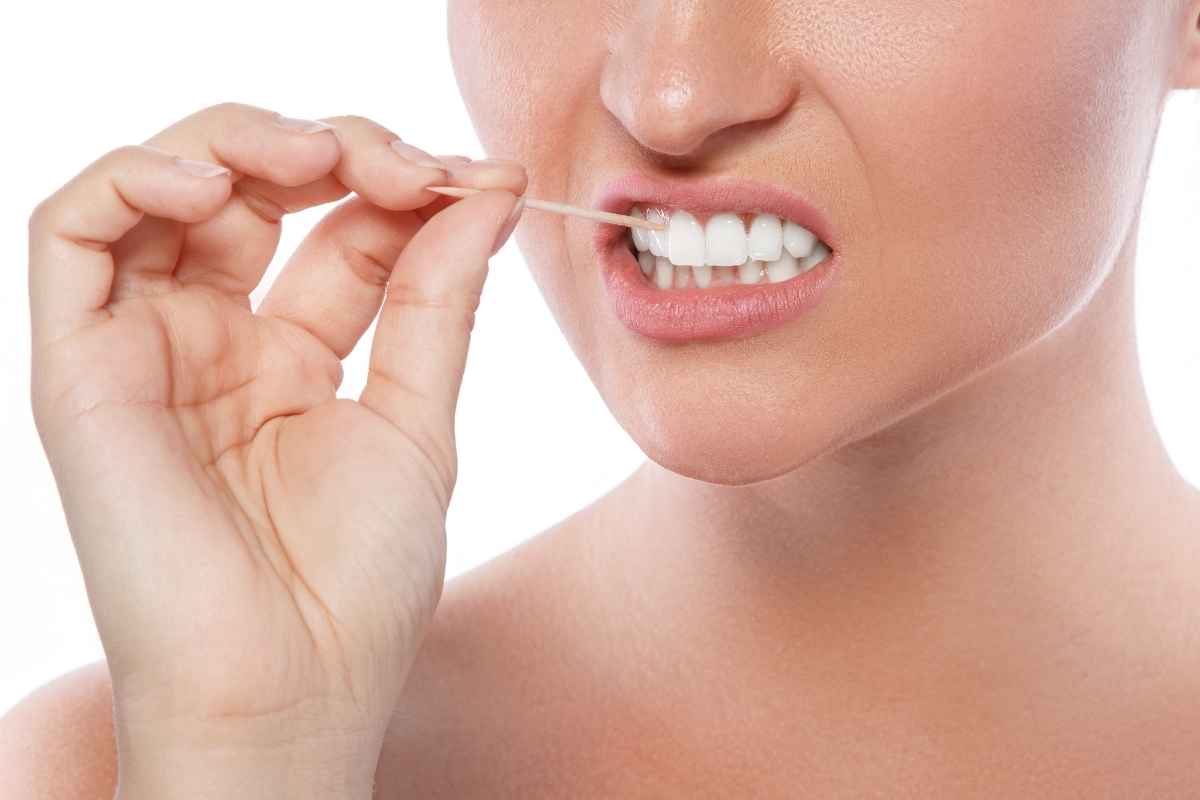
Walk through Downtown Silver Spring, stop by a favorite restaurant near Ellsworth Place, or grab lunch after visiting Sligo Creek Trail, and you may notice a familiar habit. Many people reach for a small wooden stick after finishing their meal. It feels like a quick way to remove food stuck between teeth. For many residents, this routine has become second nature after dining out or enjoying local takeout spots.
However, this simple habit may do more harm than people realize. Improper use of wooden picks can irritate gums, scratch enamel, or push debris deeper between teeth. Over time, this can lead to discomfort or gum problems that require professional care. At the lower level of this concern sits an important question many people rarely ask: Can toothpicks actually damage teeth and gums? Many patients who visit Smile Loft Dental at Hillandale report using small wooden picks regularly without realizing the risks. Understanding how these tools affect oral health can help you protect your smile and make safer choices.
Why People Often Use Toothpicks
Food particles often get trapped between teeth after meals, especially when eating fibrous foods, meats, or crunchy vegetables. When this happens, people want a quick solution.
Common reasons people reach for these interdenal cleaning devices include:
- Removing food after dining at restaurants
- Cleaning between teeth when floss is not available
- Habit developed from childhood or family routines
- Convenience when eating outside the home
- Attempting to relieve irritation caused by stuck food
While the intention is simple oral hygiene, the technique often creates problems rather than solves them. Many individuals who later visit a trusted Silver Spring dentist report frequently using wooden toothpicks before noticing gum irritation or tooth sensitivity.
How Toothpicks Can Affect Your Teeth and Gums
Using small wooden sticks may seem harmless. Yet repeated pressure against the gums or teeth can cause several oral health issues.
Gum Irritation and Injury
Gums are delicate tissues. When sharp edges repeatedly press against them, small injuries can develop.
These injuries may lead to:
- Gum redness or swelling
- Small cuts in the gum tissue
- Bleeding during cleaning
- Increased sensitivity
Over time, repeated irritation may contribute to gum recession. When gums pull away from teeth, the roots become exposed and sensitive.
A trusted dentist often sees this pattern among patients who rely on wooden picks rather than floss.
Pushing Debris Deeper Between Teeth
Many people believe that wooden picks remove food particles. In reality, they often push debris deeper into tight spaces.
This pressure can:
- Trap bacteria under the gumline
- Increase plaque buildup
- Trigger inflammation in the gum tissue
When debris remains in place, bacteria multiply and may lead to gum disease.
Instead of solving the problem, repeatedly using toothpicks can make oral hygiene more difficult.
Damage to Tooth Enamel
Tooth enamel protects the outer surface of each tooth. Although it is strong, it can wear down when exposed to constant scraping.
Wooden picks can create small scratches along the enamel surface. Over time, these scratches may:
- Increase sensitivity
- Create areas where plaque collects
- Lead to gradual enamel wear
Once enamel weakens, teeth become more vulnerable to decay.
If patients notice discomfort while chewing or drinking cold beverages, a reliable dentist can evaluate whether enamel damage has occurred.
Risk of Breaking or Splintering
Another problem occurs when wooden sticks break while being used between teeth.
Small splinters may become lodged in gum tissue. This can cause:
- Pain when chewing
- Localized swelling
- Infection if bacteria enter the area
These situations often require professional treatment to safely remove the fragment.
People rarely expect this outcome, yet many dental offices see similar cases every year.
Signs That Your Gums May Be Irritated by Toothpicks
Early warning signs can help you identify whether your gum tissue has been affected.
Watch for symptoms such as:
- Bleeding when cleaning between teeth
- Tender or swollen gum tissue
- Persistent bad breath
- Sensitivity near the gumline
- Visible gum recession
These symptoms may develop slowly, so many individuals ignore them at first. Your dental practitioner can examine the gums and determine whether irritation resulted from improper cleaning habits.
Safer Ways to Remove Food Between Teeth
Fortunately, there are better methods for cleaning between teeth without damaging gum tissue.
Dental Floss
Floss remains one of the most effective tools for removing plaque and trapped food.
Benefits include:
- Reaches tight spaces between teeth
- Removes plaque before it hardens
- Reduces gum inflammation
Floss also allows gentle cleaning along the gumline without cutting or scratching tissue.
Interdental Brushes
Interdental brushes are small brushes designed to clean spaces between teeth.
They are especially helpful for people who have:
- Larger gaps between teeth
- Dental bridges or implants
- Orthodontic appliances
These brushes remove debris while protecting gum tissue.
Water Flossers
Water flossers use gentle streams of water to flush food particles from between teeth and below the gumline.
Many people find them easier to use than traditional floss. They also reduce the need for wooden picks after meals.
Why Professional Dental Visits Matter
Even with good daily hygiene, professional care remains essential.
During routine visits, the dentist checks for early signs of gum irritation, plaque buildup, and enamel wear. Early detection allows treatment before minor problems turn into larger concerns.
Regular dental exams help with:
- Identifying gum inflammation early
- Removing hardened plaque
- Evaluating gum health
- Preventing long-term damage
Many patients discover during checkups that small habits, such as frequent use of wooden picks, have contributed to their oral health issues.
Learning proper techniques for cleaning between teeth can prevent future discomfort.
Small Daily Habits Can Protect Your Smile
Oral health often depends on daily routines. While small wooden sticks seem convenient, repeated use can place unnecessary stress on gum tissue.
Making simple changes can improve long-term oral health:
- Choose floss or interdental brushes instead
- Avoid pressing sharp objects against the gums
- Clean between teeth gently after meals
- Schedule regular dental visits
Many people are surprised to learn how small habits affect their smile over time. By replacing toothpicks with safer tools, you can protect both your teeth and gums.
Protect Your Smile with the Right Care
If you have noticed bleeding gums, sensitivity, or irritation after using wooden picks, it may be time to evaluate your oral hygiene habits. Small signs of gum damage should never be ignored because early care prevents more serious problems later.
At Smile Loft Dental at Hillandale, patients receive thoughtful guidance on maintaining healthy teeth and gums. If you experience discomfort or suspect gum irritation due to your cleaning habits, scheduling a visit can help identify the cause and restore your oral health. Taking action today can help you maintain a healthy smile and prevent further damage. Reach out to the team and let your smile receive the care it deserves.
FAQs
Can Toothpicks Damage Gums If Used Daily?
Yes. Repeated pressure from wooden picks can irritate delicate gum tissue. Small cuts may form over time and cause swelling or bleeding. Using floss or interdental brushes is usually a safer option for daily cleaning.
Are Toothpicks Better Than Not Cleaning Between Teeth At All?
Removing food debris is important, but wooden picks are not always the safest method. They may push particles deeper or irritate gums. Dental floss or a water flosser removes debris more effectively and protects gum tissue.
Why Do Gums Sometimes Bleed After Using Toothpicks?
Bleeding usually occurs when gum tissue becomes irritated or injured. Sharp edges can create small cuts or inflamed areas. If bleeding happens often, it may indicate gum irritation or early gum disease.
What Should I Do If A Toothpick Splinter Gets Stuck In My Gum?
Do not try to remove it aggressively. Rinse with warm salt water and seek professional care if pain or swelling occurs. A dental professional can safely remove the fragment and prevent infection.
Can Toothpicks Cause Gaps Between Teeth?
Frequent pressure against the gums may contribute to gum recession over time. When gums recede, spaces between teeth may appear larger. This can also increase the risk of plaque buildup and sensitivity.
What Is The Safest Way To Clean Food Stuck Between Teeth?
Dental floss, interdental brushes, and water flossers are commonly recommended tools. They clean between teeth without damaging enamel or gum tissue. Gentle technique also helps maintain healthy gums.