
Having a bright, white smile is something many people desire. Teeth whitening treatments have become increasingly popular as they promise to remove discoloration and restore teeth to a more youthful appearance. But can teeth whitening remove all types of stains? The answer is more complex than a simple yes or no. The effectiveness of teeth whitening depends on the type of stains you have and the whitening method used. Let’s take a closer look at the different types of stains and how well teeth whitening works to remove them.
Types of Tooth Stains
Tooth stains can generally be categorized into two main types: extrinsic and intrinsic. Each type of stain has different causes, and the success of teeth whitening treatments can vary depending on the stain type.
1. Extrinsic Stains
Extrinsic stains occur on the outer layer of the teeth, known as the enamel. These stains are typically caused by everyday activities such as drinking coffee, tea, red wine, or dark-colored sodas. Smoking and consuming foods with rich pigments, such as berries and soy sauce, can also lead to extrinsic stains.
Can Teeth Whitening Remove Extrinsic Stains? Yes, teeth whitening treatments are usually effective at removing extrinsic stains. Most over-the-counter whitening products, professional whitening treatments, and take-home kits from your dentist target these surface-level stains. These treatments use bleaching agents like hydrogen peroxide or carbamide peroxide, which break down the colored molecules on the enamel, resulting in a brighter smile.
However, the extent of whitening depends on the severity of the stains and the product used. Professional in-office treatments tend to offer more significant and faster results compared to over-the-counter solutions.
2. Intrinsic Stains
Intrinsic stains are located below the surface of the tooth, within the dentin (the tissue beneath the enamel). These stains are often more challenging to remove because they are embedded deep inside the tooth. Intrinsic discoloration can be caused by various factors, including:
- Medications: Antibiotics like tetracycline taken during childhood can cause deep staining.
- Trauma: Injury to a tooth can lead to discoloration as a result of damage to the inner tooth structure.
- Age: As we age, the enamel on our teeth wears away, revealing the yellowish dentin beneath.
- Excessive Fluoride: High levels of fluoride during tooth development can cause white or brown spots on teeth, known as fluorosis.
Can Teeth Whitening Remove Intrinsic Stains? Teeth whitening treatments are generally less effective at removing intrinsic stains. While surface-level treatments may help reduce the appearance of these deeper stains, they usually cannot fully eliminate them. In some cases, patients may see only slight improvements in the shade of their teeth.
If you have intrinsic stains, professional treatments may offer the best chance of improvement. Dentists can use stronger whitening agents, which may be able to penetrate the enamel and lighten intrinsic discoloration to some degree. However, the results will vary depending on the cause and severity of the stains.
For more severe intrinsic staining, alternative cosmetic dental treatments may be recommended. These include:
- Dental Veneers: Thin porcelain or composite shells that cover the front of the teeth, hiding stains.
- Bonding: A tooth-colored resin is applied to the tooth surface to mask discoloration.
- Crowns: In some cases, a dental crown may be necessary to cover the tooth entirely.
What Whitening Treatments Work Best?
There are various teeth whitening treatments available, ranging from over-the-counter products to professional in-office procedures. The type of treatment you choose can affect how well it removes stains.
1. Over-the-Counter Whitening Products
These products include whitening strips, gels, toothpastes, and trays. They are widely available and often affordable, but their effectiveness can be limited, especially for more severe stains. OTC products usually contain lower concentrations of whitening agents and may require longer use to see noticeable results.
2. Professional Whitening Treatments
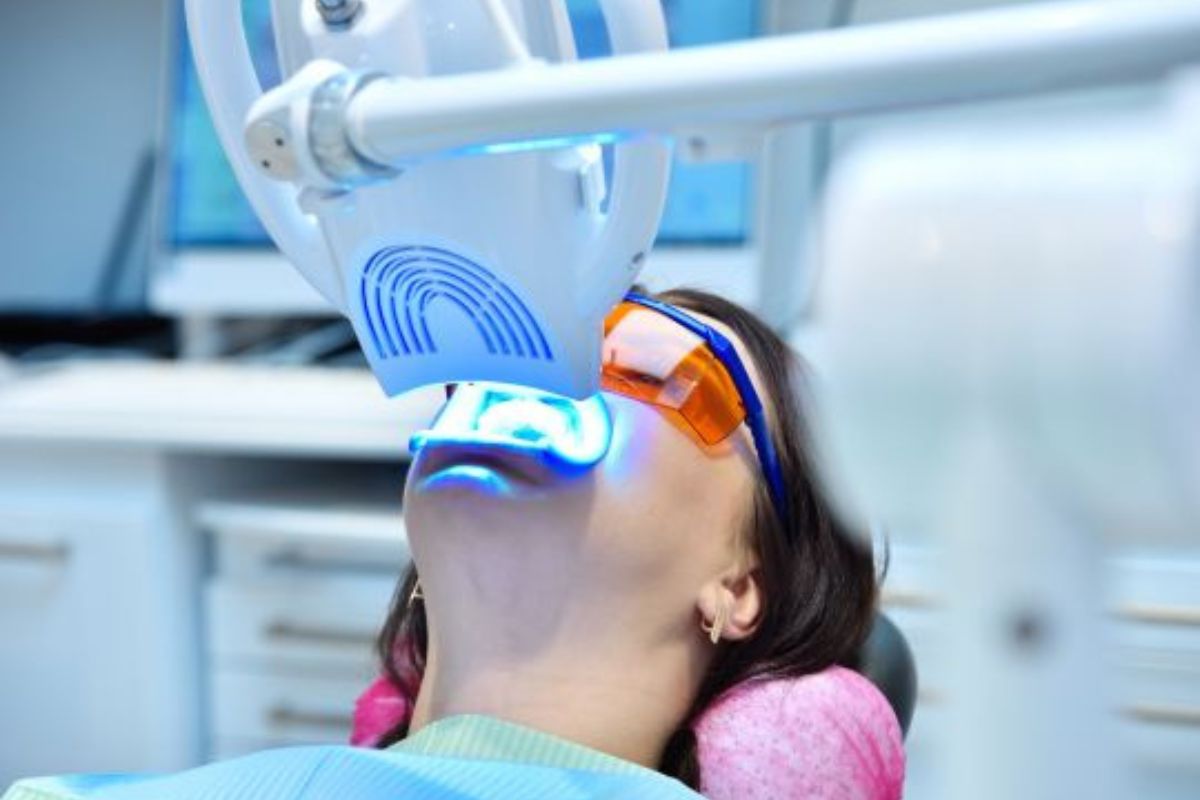
Dentists offer professional-grade whitening treatments that are more powerful and deliver faster, more effective results. These treatments are ideal for removing extrinsic stains and can also improve the appearance of intrinsic discoloration to some extent. In-office treatments use high concentrations of hydrogen peroxide or carbamide peroxide, and the process may involve the use of a special light to accelerate the whitening.
3. Take-Home Whitening Kits from Your Dentist
Many dentists offer custom take-home whitening kits, which include trays molded to fit your teeth and stronger bleaching agents than those found in OTC products. These kits provide the convenience of at-home whitening while offering better results than store-bought products.
Can You Prevent Stains from Coming Back?
While teeth whitening can significantly improve the appearance of your smile, the results are not always permanent. Preventing future stains requires some lifestyle adjustments. To maintain your newly whitened teeth, consider the following tips:
- Avoid Stain-Causing Foods and Drinks: Cut back on coffee, tea, red wine, and other stain-causing foods or consume them with a straw to minimize contact with your teeth.
- Quit Smoking: Tobacco products are a significant cause of extrinsic stains, so quitting can help preserve your smile.
- Practice Good Oral Hygiene: Regular brushing and flossing help remove plaque and prevent new stains from forming. Whitening toothpastes can also be used to maintain the brightness of your teeth.
- Use Touch-Up Treatments: Over time, you may need touch-up treatments to maintain the results of your teeth whitening. Consult your dentist about how often touch-ups are needed.
Conclusion
Teeth whitening can effectively remove many types of stains, especially extrinsic stains caused by foods, beverages, and smoking. However, intrinsic stains, which are deeper and often caused by factors like medication or trauma, may not respond as well to traditional whitening methods. In these cases, professional treatments or cosmetic dental procedures like veneers may offer a better solution.
Ultimately, the best approach to teeth whitening depends on the type and severity of your stains. Consulting with your dentist can help you determine the most suitable treatment for achieving a brighter, more radiant smile.