
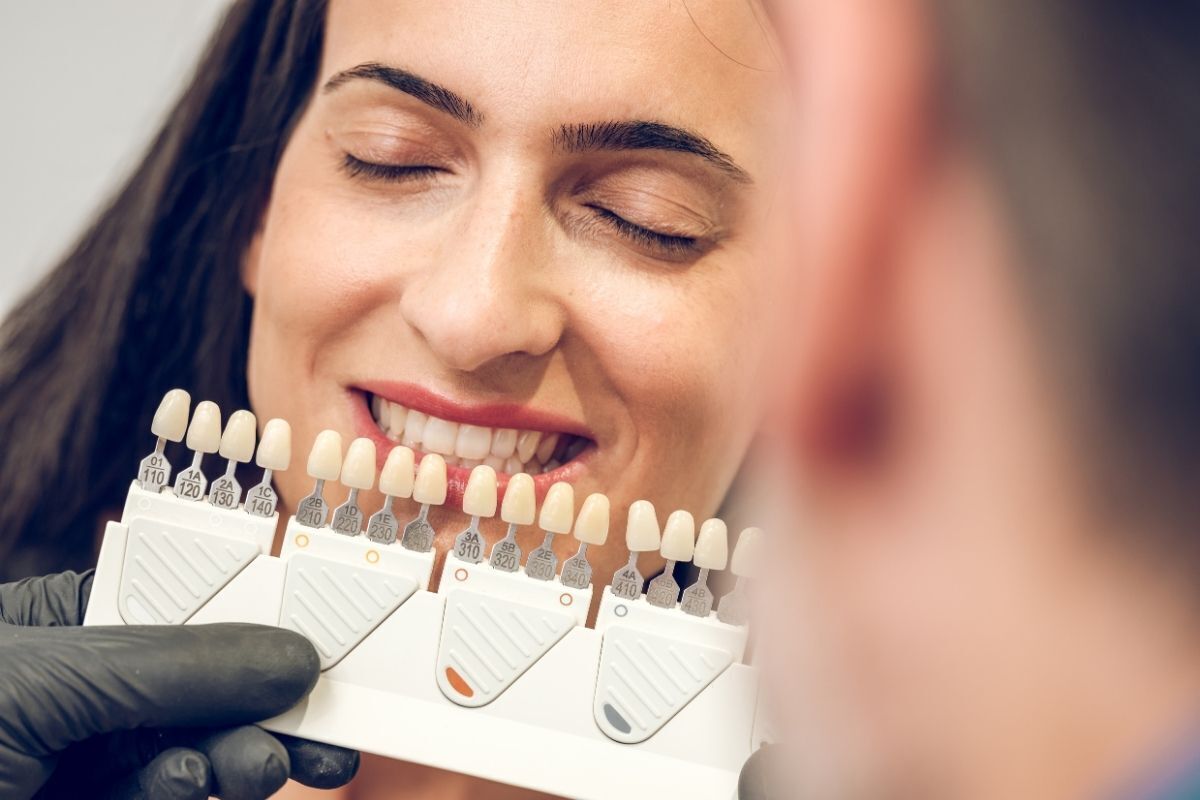
Thinking about improving your teeth with veneers? You’re definitely not alone. Many people choose veneers because they want a brighter, more balanced appearance without undergoing extensive dental treatment. They can transform chipped, stained, worn, or uneven teeth into a natural-looking, confident smile.
But here’s something many people don’t realize before getting started: veneers are a long-term commitment. While they deliver beautiful results, there are important facts about preparation, maintenance, and longevity that many patients only discover after treatment. Understanding these details beforehand can help you make the right decision with confidence.
If you’re looking for a cosmetic dentist silver spring, knowing exactly what veneers can—and cannot—do will help you choose the treatment that’s best for your goals.
What Exactly Are Dental Veneers?
Dental veneers are ultra-thin shells, usually made from porcelain or high-quality composite resin, that are bonded to the front surfaces of your teeth. They’re custom-designed to improve the appearance of:
- Discolored teeth that don’t respond to whitening
- Chipped or cracked teeth
- Small gaps between teeth
- Slightly crooked or uneven teeth
- Worn-down enamel
- Misshapen teeth
Porcelain veneers are especially popular because they closely resemble natural tooth enamel while resisting stains better than many other cosmetic treatments.
Are Dental Veneers Permanent?
The answer is both yes and no.
The veneers themselves won’t last forever. However, the process of placing traditional porcelain veneers is considered permanent because a small amount of enamel is removed from the front of your natural teeth before the veneers are bonded.
Since enamel doesn’t grow back, your teeth will always need some type of restoration moving forward. Even if veneers eventually need replacement, you’ll continue wearing veneers or another suitable restoration.
This is one of the biggest facts many patients don’t hear until they’re already planning treatment.
How Long Do Veneers Usually Last?
With proper care, porcelain veneers commonly last between ten and fifteen years, and many patients enjoy them even longer.
Several factors influence their lifespan:
- Daily brushing and flossing
- Regular professional cleanings
- Avoiding chewing ice or hard objects
- Wearing a nightguard if you grind your teeth
- Maintaining healthy gums
- Scheduling routine dental exams
Good habits significantly extend the life of your investment.
What Happens During the Procedure?
Understanding the process helps eliminate surprises.
Initial Consultation
Your dentist evaluates your teeth, discusses your goals, and determines whether veneers are the best solution.
Treatment Planning
Digital imaging, photographs, and shade selection help create veneers that complement your facial features.
Tooth Preparation
A thin layer of enamel is carefully removed to create room for the veneers while maintaining a natural appearance.
Temporary Veneers
Some patients receive temporary veneers while the permanent restorations are being fabricated.
Final Placement
Your custom veneers are bonded securely, adjusted for comfort, and polished to create a seamless appearance.
What No One Tells You Before Getting Veneers
Many patients focus only on the final result. Here are some lesser-known realities worth considering.
Your Natural Teeth Still Need Care
Veneers don’t prevent cavities or gum disease. The underlying teeth remain vulnerable if oral hygiene is neglected.
Gum Health Matters
Healthy gums frame your veneers beautifully. Gum disease can affect both appearance and longevity.
Habits Can Damage Veneers
Using your teeth to open packages, biting fingernails, or chewing pens increases the risk of chips.
Color Cannot Be Changed Later
Unlike natural teeth, porcelain veneers don’t respond to whitening treatments. Selecting the right shade from the beginning is important.
They Still Require Regular Dental Visits
Routine examinations allow your dentist to monitor both the veneers and your overall oral health.
Who Makes a Good Candidate?
Veneers work best for patients with:
- Healthy teeth and gums
- Minor cosmetic imperfections
- Good oral hygiene habits
- Realistic expectations
- Sufficient enamel for bonding
Patients with untreated decay, severe grinding, or advanced gum disease may need other treatments first.
Why Local Experience Matters
Choosing a provider familiar with the needs of local patients makes a difference. Residents throughout Silver Spring appreciate cosmetic dentistry that fits busy work schedules, family commitments, and active lifestyles.
Whether you’re commuting toward Downtown Silver Spring, spending weekends around Sligo Creek Trail, or enjoying neighborhood events near Hillandale, having a nearby dental practice makes consultations, follow-up visits, and long-term maintenance far more convenient.
Working with an experienced cosmetic dentist also means your treatment plan is customized to your facial features, oral health, and long-term goals—not just your teeth.
Caring for Your Veneers
Protect your new veneers by following these simple habits:
- Brush twice every day with a non-abrasive toothpaste.
- Floss carefully around every veneer.
- Limit chewing hard foods and ice.
- Wear a custom nightguard if you grind your teeth.
- Visit your dentist for regular cleanings and exams.
- Avoid using your teeth as tools.
These simple steps help preserve both your veneers and your natural teeth.
Are Veneers Worth It?
For many patients, the answer is yes.
Veneers offer long-lasting cosmetic improvements while preserving much of your natural tooth structure. They can dramatically improve confidence, create a more balanced appearance, and deliver natural-looking results when planned correctly.
If you’re considering treatment from a cosmetic dentist silver spring md, a personalized consultation is the best way to determine whether veneers fit your needs or whether another cosmetic option would achieve better results.
Frequently Asked Questions
Do veneers stain like natural teeth?
Porcelain veneers are highly stain-resistant. However, maintaining good oral hygiene and limiting stain-causing beverages helps keep surrounding natural teeth looking consistent.
Can veneers fall off?
Although uncommon, veneers may loosen due to trauma, excessive pressure, or aging dental cement. Your dentist can often rebond or replace them.
Are veneers painful?
Most patients experience minimal discomfort. Local anesthesia is typically used during tooth preparation, and any sensitivity afterward is usually temporary.
Can I eat normally after getting veneers?
Yes. Once your permanent veneers are securely bonded, you can enjoy most foods. Avoid biting directly into extremely hard objects.
Are veneers better than dental bonding?
It depends on your goals. Veneers generally provide greater durability and stain resistance, while bonding may be suitable for smaller cosmetic corrections.
Ready to Transform Your Confidence?
Beautiful veneers begin with informed decisions. Knowing what to expect before treatment helps you protect your investment and achieve results that look natural for years to come. If you’re ready to explore whether veneers are right for you, schedule a personalized consultation with Smile Loft Dental at Hillandale today and book your appointment to take the next step toward the confident appearance you’ve been wanting.