
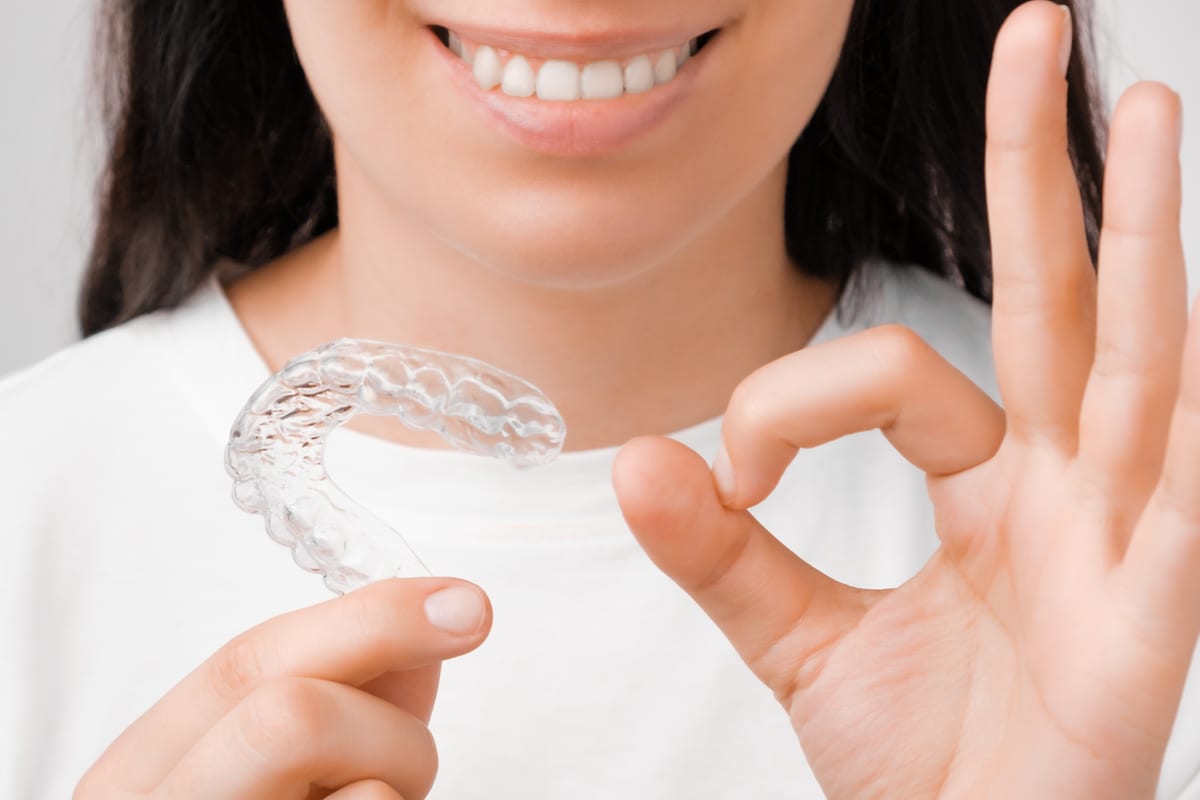
You finished your last Invisalign tray. Your smile looks amazing. It feels like the finish line — but it isn’t. Your Invisalign journey isn’t over when treatment ends in Hillandale, and understanding why matters just as much as the treatment itself. What happens next is called the retention phase, and it protects everything you just worked so hard to achieve.
At Smile Loft Dental at Hillandale, Dr. Kashyap Patel walks every patient through this critical next step. Many people are surprised to learn how much their teeth want to shift back. That natural tendency is called relapse, and it is more common than most patients expect.
Why Your Teeth Don’t Stay Put After Invisalign in Hillandale
Your teeth are held in place by tiny fibers in your gums called periodontal ligaments. These fibers have memory. When Invisalign moves your teeth into new positions, those fibers stay stretched and want to pull your teeth back to where they started.
This is not a flaw in your treatment. It is simply how human biology works. No orthodontic system — including Invisalign — can permanently lock teeth in place without help. That is exactly why retainers exist.
Bone around your teeth also needs time to stabilize after treatment. During the active phase of Invisalign, your bone is constantly remodeling to accommodate tooth movement. After your final tray, that remodeling process continues for months. Retainers hold your teeth steady while that process completes.
What Happens If You Skip Your Retainer
Skipping your retainer — even briefly — can cause measurable shifting. Studies show that teeth can begin to move within just a few days of not wearing a retainer. The changes are often subtle at first, but they add up quickly over weeks and months.
Here is what patients risk when they skip retention:
- Crowding returns, especially in the lower front teeth
- Spaces that were closed may reopen
- The bite alignment Invisalign corrected can shift
- Additional orthodontic treatment may become necessary
- The investment of time and money in Invisalign is partially or fully lost
These outcomes are entirely preventable. Wearing your retainer as directed by Dr. Patel protects your smile for the long term. It is a small habit with a very large payoff.
How Long Do You Wear a Retainer After Invisalign?
This is one of the most common questions patients ask at Smile Loft Dental at Hillandale. The honest answer is: it depends on the stage of your retention journey.
Most patients follow a two-phase retainer schedule:
- Full-time wear phase: For the first three to six months after treatment, Dr. Patel typically recommends wearing your retainer 20 to 22 hours per day. This mirrors the wearing schedule of your Invisalign trays.
- Nighttime-only phase: After that initial period, most patients transition to wearing their retainer only while sleeping. This is usually a lifelong habit for best results.
Some patients ask if they can eventually stop wearing their retainer altogether. The safe answer is that teeth never truly stop wanting to move. Most orthodontic professionals recommend nightly wear indefinitely. It becomes a simple bedtime routine that protects your smile for life.
Types of Retainers Available After Invisalign Treatment
Dr. Patel will recommend the right retainer type based on your specific case. There are two primary options available to Invisalign patients at Smile Loft Dental at Hillandale.
Removable clear retainers look very similar to your Invisalign trays. They are custom-made from clear plastic and are virtually invisible when worn. They are easy to remove for eating and cleaning, and most patients find them comfortable and convenient.
Fixed or bonded retainers are thin wires bonded to the back of your front teeth. They are not visible from the front. They work around the clock without any effort from the patient. Some patients choose to combine both types for maximum protection.
Each option has its advantages. During your post-treatment appointment, Dr. Patel will discuss which approach best fits your lifestyle and your smile goals.
Caring for Your Smile During the Retention Phase
The retention phase is also a great time to invest in the overall appearance of your newly aligned smile. Many patients choose this moment to explore cosmetic options like Teeth Whitening Treatments Hillandale to complement their straighter teeth. Whitening after Invisalign is especially effective because your teeth are aligned and easier to treat evenly.
Some patients also address small chips or irregularities with Dental Bonding Hillandale. This simple, affordable cosmetic procedure can smooth uneven edges and enhance the final result of your Invisalign treatment.
Here are a few essential tips for maintaining your smile during retention:
- Clean your retainer daily with a soft toothbrush and mild soap or retainer cleaner
- Never soak a clear retainer in hot water — heat warps the plastic
- Store your retainer in its case when not wearing it
- Attend regular checkups at Smile Loft Dental at Hillandale so Dr. Patel can monitor your results
- Replace your retainer promptly if it becomes damaged, lost, or no longer fits properly
If your retainer ever feels tight when you put it in, that is a sign your teeth have shifted slightly. Do not ignore this. Contact the practice as soon as possible so Dr. Patel can assess the situation before further movement occurs.
Your Long-Term Smile Is a Partnership
Completing Invisalign treatment is a genuine achievement. You committed to wearing trays consistently, attending checkups, and trusting the process. The retention phase simply asks you to continue that commitment in a much simpler way — just a retainer at night.
Dr. Kashyap Patel and the entire team at Smile Loft Dental at Hillandale are here to support you through every phase of your smile journey. From your very first consultation to long-term retention care, the goal is always the same: a healthy, beautiful smile that lasts a lifetime. Remember, your Invisalign journey isn’t over when treatment ends in Hillandale — it simply enters its most rewarding chapter.
Ready to protect your smile and take the next step? Book Now to schedule your appointment with our team.
Frequently Asked Questions
How soon after finishing Invisalign do I need to start wearing a retainer?
You should begin wearing your retainer immediately after your final Invisalign tray. Dr. Patel will provide your retainer at or shortly after your last appointment. Even a few days without a retainer can allow small amounts of shifting to occur, so timing matters.
Can I wear my last Invisalign tray as a retainer?
Your last tray is not designed as a long-term retainer. It was made to move teeth, not to hold them in their final position indefinitely. A custom retainer is fabricated specifically to maintain your end result. Using an old tray may seem convenient, but it does not offer the precision or durability of a proper retainer.
What happens if my retainer no longer fits properly?
If your retainer feels tight or does not seat correctly, your teeth may have shifted. Contact Smile Loft Dental at Hillandale as soon as possible. Dr. Patel will evaluate how much movement has occurred and recommend the appropriate next step, which may include a new retainer or a short refinement phase.
Is it normal for a retainer to feel uncomfortable at first?
Some mild pressure or slight discomfort is normal when you first begin wearing your retainer, especially right after finishing treatment. This sensation usually fades within a few days. If the discomfort is sharp or persistent, let Dr. Patel know so he can check the fit and make any necessary adjustments.
How often should I replace my clear retainer?
Clear removable retainers typically last one to three years with proper care, though this varies by patient. Signs that a replacement is needed include visible cracks, warping, cloudiness that does not clean away, or a noticeably looser fit. Regular checkups at Smile Loft Dental at Hillandale allow Dr. Patel to monitor the condition of your retainer and advise you on timing.