
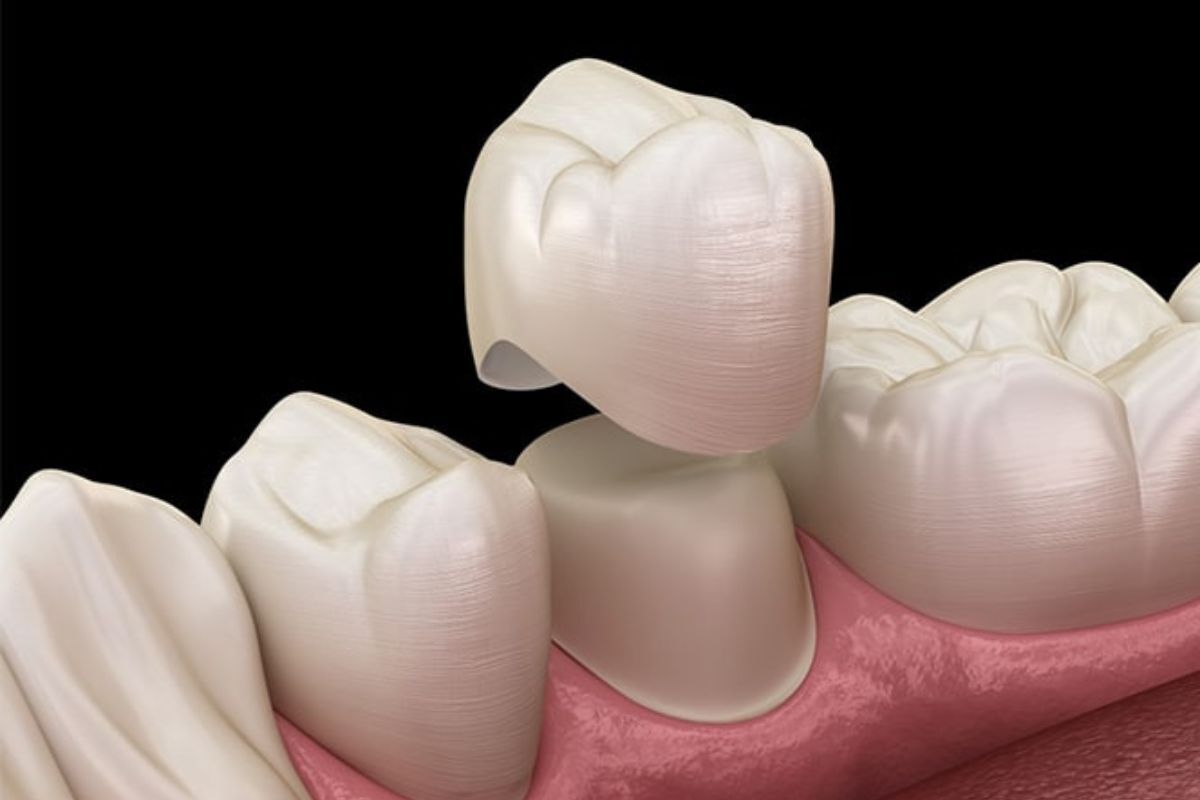
A damaged or weakened tooth can make everyday things—biting into lunch, enjoying a cold drink, or simply chewing comfortably—feel different. A dental crown can restore more than the tooth’s appearance. It can protect the remaining structure and help you get back to normal eating and speaking with confidence.
If your dentist has recommended a crown, knowing what happens before, during, and after treatment can make the experience feel much easier. For patients considering dental crowns silver spring md, understanding the process can also help you feel prepared for your appointment.
Why Might You Need a Dental Crown?
A crown is a custom-made restoration placed over a damaged or weakened tooth. Your dentist may recommend one when a tooth has:
- Extensive decay that cannot be repaired with a regular filling
- A large or older filling that has weakened the tooth
- Cracks or fractures
- Significant wear
- Damage following root canal treatment
- Cosmetic concerns that require more substantial restoration
The goal is to preserve as much healthy natural tooth structure as possible while restoring the tooth’s function.
What Happens During the Crown Procedure?
The process is typically straightforward, but your treatment plan will depend on your tooth, oral health, and the type of crown selected.
Your Initial Examination
Your appointment usually begins with an examination of the affected tooth. Your dentist may take digital X-rays to check the tooth’s roots, surrounding bone, and any problems that may not be visible during a visual exam.
Your dentist will also discuss your symptoms, treatment options, and what to expect from the restoration.
Preparing the Tooth
Before the procedure begins, the area is numbed with local anesthesia to help keep you comfortable.
The dentist then carefully removes damaged or decayed portions of the tooth and reshapes it so the crown can fit securely. The amount of preparation varies from patient to patient.
If the tooth is severely damaged, additional treatment may be needed before the crown is placed.
Taking Impressions or Digital Scans
Once the tooth is prepared, your dentist needs an accurate model of it. Depending on the office and treatment approach, this may involve traditional impressions or a digital scan.
The information is used to create a crown designed to fit your bite and blend naturally with the surrounding teeth.
Protecting the Tooth
If your permanent crown is being made at an outside dental laboratory, you may receive a temporary crown. It protects the prepared tooth while your final restoration is being completed.
During this period, follow your dentist’s instructions and be mindful when eating especially sticky or very hard foods.
Placing the Permanent Crown
At the final appointment, your dentist checks the crown’s fit, shape, and appearance before permanently securing it.
Your bite is carefully evaluated as well. If the crown feels unusually high when you bite down, tell your dentist. A small adjustment can often make a significant difference in comfort.
What Is Recovery Like?
Most patients can return to their regular routine relatively quickly. Some sensitivity or mild gum tenderness may occur after treatment, particularly when the tooth has undergone significant preparation.
You can help protect your new restoration by:
- Brushing twice daily with fluoride toothpaste
- Cleaning between your teeth every day
- Avoiding chewing very hard objects
- Limiting frequent sugary snacks and drinks
- Keeping routine dental visits
- Contacting your dentist if your bite feels uncomfortable
A crown does not make the underlying tooth immune to decay. Good oral hygiene remains important around the crown and along the gumline.
Finding the Right Dentist in Silver Spring
Choosing a dental office is about more than convenience. Local patients may want a practice that offers clear explanations, modern diagnostic tools, personalized treatment planning, and a comfortable environment.
For patients in Silver Spring and nearby communities such as Hillandale, Four Corners, Woodside, and Forest Glen, accessibility can make it easier to stay consistent with preventive and restorative dental care.
When comparing dental offices, ask about the crown materials available, how the tooth will be evaluated, what temporary protection may be provided, and what aftercare is recommended.
Quick Tips Before Your Appointment
A little preparation can make your visit easier:
- Make a list of questions or concerns about the procedure.
- Tell your dental team about any medications or allergies.
- Ask what type of crown may be appropriate for your tooth.
- Discuss expected costs and insurance coverage beforehand.
- Follow any eating or appointment instructions provided by the office.
- Plan to mention sensitivity, pain, or changes in your bite.
Frequently Asked Questions
Does getting a dental crown hurt?
The tooth and surrounding area are typically numbed during preparation. You may experience some tenderness or sensitivity afterward, but significant or persistent discomfort should be discussed with your dentist.
How long does a crown procedure take?
Treatment time varies depending on the condition of the tooth, the type of restoration, and whether additional treatment is necessary. Your dental office can explain your expected timeline before treatment begins.
Can I eat normally after getting a crown?
Your dentist will give you specific instructions based on whether you received a temporary or permanent crown. Once the permanent restoration is properly placed and any recommended precautions have passed, most patients can return to normal eating.
How should I care for a crowned tooth?
Brush, floss, and clean around the gumline just as you would with your natural teeth. Regular dental examinations are also important for checking the crown and the surrounding tooth.
When should I contact my dentist after crown treatment?
Contact your dental office if you experience persistent pain, swelling, a loose crown, a crown that feels too high when you bite, or sensitivity that does not improve.
Protect Your Tooth With Personalized Care
A dental crown can be an important step toward protecting a weakened tooth and restoring comfortable everyday function. The process is generally predictable, and understanding each stage can take much of the uncertainty out of treatment.
If you have a damaged, cracked, heavily restored, or weakened tooth, Smile Loft Dental at Hillandale can help you understand whether a crown is appropriate for your needs. Schedule an appointment today to discuss your options and take the next step toward a healthier, more comfortable bite.