
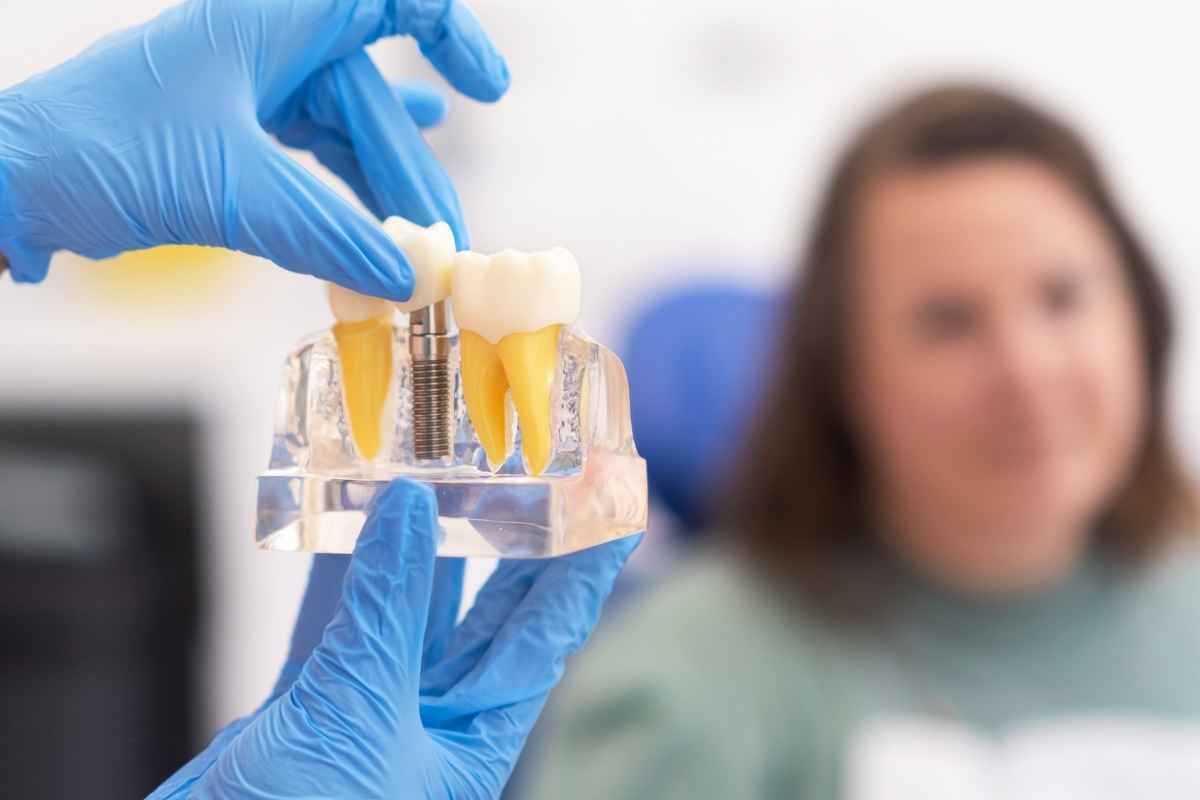
Dental implants are a great solution for missing teeth, but maintaining long-term success requires a solid daily oral care routine. Here, residents take pride in their vibrant community and local attractions. Maintaining proper dental hygiene can help you enjoy your smile for years to come. The weather and lifestyle, with its seasonal changes and active lifestyle, can also influence how you care for your fixtures.
Many people enjoy outdoor activities, from hiking in the nearby Sligo Creek Park to cycling in the warmer months. Keeping up with a healthy routine will help your restorations endure these active lifestyles without compromising your oral health. Let’s dive into why your daily routine plays a key role in preserving the longevity of your dental implants in Silver Spring.
The Dental Implant Process: Step-by-Step
Dental restorations offer a permanent solution for missing teeth, providing a strong foundation for replacement teeth. Here’s a breakdown of the process:
Step 1: Consultation and Planning
The journey begins with a consultation with your dental professional. During this visit, your dentist will evaluate your oral health, discuss your goals, and take X-rays or scans to assess your jawbone and overall suitability for restorations. A personalized treatment plan will then be created based on your needs.
Step 2: Implant Placement
The next step involves placing the titanium post (fixture) into the jawbone. This is done under sedation, ensuring comfort throughout the procedure. The restoration serves as a stable foundation for the new tooth.
Step 3: Healing and Osseointegration
After the prosthetic teeth are placed, the healing process begins. Over the next few months, the titanium post fuses with the bone through osseointegration, making the restoration stable and secure.
Step 4: Attaching the Abutment
Once the implant has fully integrated with the bone, an abutment (connector) is placed on top of the restoration. This serves as a bridge between the fixture and the final crown.
Step 5: Custom Crown Placement
The final step involves placing a custom-made crown over the abutment. The crown is designed to match the shape, color, and size of your natural teeth, ensuring a seamless, natural-looking result.
How Oral Care Affects Dental Implant Longevity?
Good oral hygiene is vital not just for your natural teeth, but also for dental implants in Silver Spring. They are designed to function like real teeth, so caring for them requires attention to detail. The following factors contribute to longevity:
Brushing the Right Way
Brushing is the first step in keeping your restorations healthy. In Silver Spring, with its bustling cafes and restaurants, people often indulge in food and drinks that can contribute to plaque build-up. Brushing twice a day with a non-abrasive toothpaste is essential to prevent plaque from accumulating around the area. This helps to keep the gums healthy and prevents infection, which could jeopardize the success of the fixture.
Flossing and Its Importance for Implants
Flossing is equally important, even though it may be challenging with restorations at first. Traditional floss may not reach well around the area. However, using specialized tools like implant-specific floss or a water flosser can help remove debris and plaque. Keeping the area around the surgical site clean helps maintain gum health, reducing the risk of peri-implantitis, which can cause treatment failure.
Professional Care: Keeping Your Implants in Top Shape
This is how professional care can help you keep your dental implants in Silver Spring:
Regular Dental Check-ups
While daily care is essential, dental practitioners recommend routine professional check-ups every six months. It’s to ensure that your restorations remain in optimal condition. A professional can check for early signs of issues that may not be visible to you, such as bone loss or gum inflammation.
Professional Cleaning to Prevent Build-up
In addition to home care, professional cleanings are necessary to maintain the fixture. Silver Spring’s local climate, with its humidity, can lead to a build-up of bacteria if left unchecked. Your dentist will ensure that your prosthetic teeth are thoroughly cleaned, preventing plaque and tartar from affecting their health.
Stop Smoking for Better Implant Health
Smoking can significantly affect the success of your dental restorations. It reduces blood flow to the gums, impeding healing after the procedure. In Silver Spring, where festivals and outdoor events bring people together, avoiding smoking at such gatherings can be an important step towards ensuring the longevity of your restorations.
Avoid Hard and Sticky Foods
Even though prosthetic teeth are durable, they are not invincible. In Silver Spring, enjoying the local cuisine may include hard, sticky, or chewy foods, which can damage or loosen your fixture. Stick to soft foods when your restorations are healing or when you want to give them a break from excessive wear.
What Can You Expect from Dental Implant Care?
The changing seasons, particularly in the colder months, can influence the comfort of your prosthetic teeth. For instance, winter’s dry air might cause discomfort in sensitive gums, so keeping your restorations and surrounding tissues moisturized is key.
The Impact of Your Oral Care on Long-Term Success
Long-term success with restorations relies on how well you care for them over time. They are designed to last for many years, but they are subject to wear and tear like any other part of your body. By adopting a consistent oral care routine and avoiding harmful habits, you can enjoy the benefits of a healthy smile for the long term.
The health of your gums is paramount to the success of your restorations. Healthy gum tissue provides a secure foundation for the fixture. If gum health is neglected, it can lead to infection, which could result in treatment failure. Keeping up with your oral hygiene routine, including proper brushing and flossing, is crucial to maintaining gum health.
Book an Appointment with Us to Restore Your Missing Teeth
If you’re looking for expert care for your dental implants in Silver Spring, visit us. Our team at Smile Loft Dental at Hillandale is dedicated to ensuring your restorations remain healthy and last for years. Visit us today to get the personalized care you deserve!
FAQs
1. How can I tell if my prosthetic teeth are in trouble?
If you notice any pain, swelling, or trouble chewing near your restoration, please don’t hesitate to reach out to your dental provider. These might be signs of an infection or other issues with the fixture that could need your attention.
2. Can I eat anything after getting dental implants?
Right after your surgery, it’s best to enjoy soft foods to help the surgical site heal smoothly. Try to avoid hard or crunchy foods for a few weeks, giving your healing process the best chance to go well.
3. How can I prevent gum infection around my prosthetic teeth?
Brushing and flossing regularly, along with using an antimicrobial mouthwash and scheduling regular check-ups with your dentist. These are wonderful habits that can really help keep your gum health strong around your restorations.
4. How long do dental implants last?
With a little proper care and regular maintenance, dental restorations can serve you well for many years. While the fixture itself is built to last a lifetime, the crown on top might need a replacement every 10-15 years to keep things looking and feeling great.
5. Is it normal for my gums to feel sensitive after getting dental implants?
It’s completely normal to experience some gum sensitivity after getting dental restorations, especially during the early healing stages. However, if the discomfort continues or worsens, don’t hesitate to contact your dental provider; they’re there to help you through it!